
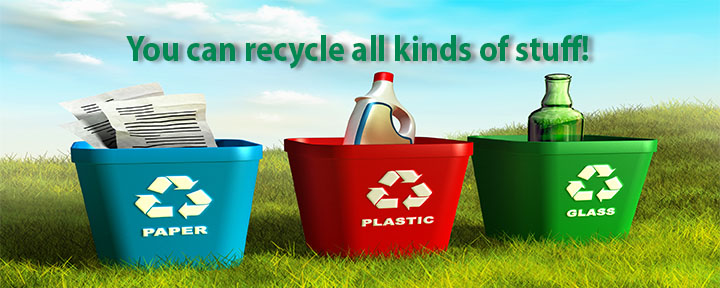
I consider myself a tree-hugger, and some call me a prepper. I try to make things from scratch, grow my veggies and fruit, and produce as little CO2/methane as possible. That’s why I was thrilled to see Green America’s list of 21 things that can be recycled or reused. They even include links and contact info.
Check it out:
1. Appliances: Goodwill accepts working appliances, or you can contact the Steel Recycling Institute to recycle them.
2. Batteries: Try Battery Solutions to buy a product to put batteries in to ship away. Staples also has a national battery recycling program for individuals or your office. Some Ikea stores have recycling stations for them as well.
3. Cardboard boxes: Contact local nonprofits and women’s shelters to see if they can use them. Or, offer up used cardboard boxes at your local Freecycle.org listserv or on Craigslist.org for others who may need them for moving or storage. If your workplace collects at least 100 boxes or more each month, UsedCardboardBoxes.com accepts them for resale.
4. CDs/DVDs/Game Disks: Send scratched music or computer CDs, DVDs, and PlayStation or Nintendo video game disks to CDFixers for refinishing, and they’ll work like new.
5. Clothes: Wearable clothes can go to your local Goodwill outlet or shelter. Donate wearable women’s business clothing to Dress for Success, which gives them to low-income women as they search for jobs. Offer unwearable clothes and towels to local animal boarding and shelter facilities, which often use them as pet bedding. Consider holding a clothes swap at your office, school, faith congregation or community center. Swap clothes with friends and colleagues, and save money on back-to-school clothes, Halloween costumes, or any season you want.
6. Compact fluorescent bulbs: Call your local Ikea store–many have units for recycling florescent bulbs, along with batteries and conventional recyclables. Earth911 has a great tool where you can enter your recyclable and zip code and it will give you a list of places that will accept that item.
7. Compostable bio-plastics: Compostable bioplastics include those cornstarch utensils and specially marked cups, which won’t break down quickly in your home compost bin like your food scraps do. Find a Composter has a tool for finding municipal composters for these types of items.
8. Computers and electronics: E-Stewards has a tool for finding responsible recyclers for computing waste which can be toxic and hard to break down.
9. Exercise videos: If you’ve done the same workouts a million times, swap them with others at Video Fitness. If you’re done with them forever, contact your closest e-waste station and see if they will accept them. Policies change frequently and the magnetic tape in VHS makes them particularly difficult to recycle.
10. Eyeglasses: Your local Lion’s Club or eye care chain may collect these. Lenses are reground and given to people in need. Often eye doctors’ offices will collect them, or even local libraries. Glasses are most often donated as-is to someone with a similar prescription. Reading glasses and non-prescription sunglasses can often be donated as well.
11. Foam packing: Your local pack-and-ship store will likely accept foam peanuts for reuse. Or, call the Plastic Loose Fill Producers Council to find a drop-off site. For places to drop off foam blocks for recycling, contact the Alliance of Foam Packaging Recyclers.
12. Ink/toner cartridges: Recycleplace.org will pay a few cents for your old ink cartridges, up to $1 depending on the brand. If you bring your old cartridges to Staples, they will give you a $2 voucher you can use towards your new ink. Also, Best Buy accepts ink cartridges, as they have a large recycling program.
13. Oil: When the oil is being changed in your car, it can be re-refined and made into motor lubricants and other petroleum products. Earth911 has a tool to find which auto shops you can use to recycle oil in your zip code.
14. Phones: HopeLine is a program to provide cell phones to domestic violence survivors. Bring them to a Verizon or mail them in to donate. Office phones and corded phones can be recycled through Staples or another e-waste recycler.
15. Sports equipment: Resell or trade it at your local Play It Again Sports outlet or at Goodwill.
16. “Technotrash”: Staples’ e-waste program will take iPods, MP3 players, cell phones and chargers, digital cameras, PDAs, palm pilots, and more. Also, easily recycle all of your CDs, jewel cases, DVDs, audio and video tapes, pagers, rechargeable and single-use batteries, PDAs, and ink/toner cartridges with GreenDisk’s Technotrash program. For $11.95, GreenDisk will send you a cardboard box (or you can use your own) in which you can ship them up to 25 pounds of any of the above. Your fee covers the box as well as shipping and recycling fees.
17. Athletic and other shoes: MORE takes donations of lightly used running shoes which are resold to fund sustainable farming programs. Soles4Souls was founded after Hurricane Katrina, which gives shoes as a measure of disaster relief and to create micro-enterprises with a low cost product.
I consider myself a tree-hugger, and some call me a prepper. I try to make things from scratch, grow my veggies and fruit, and produce as little CO2/methane as possible. That’s why I was thrilled to see Green America’s list of 21 things that can be recycled or reused. They even include links and contact info.
Check it out:
1. Appliances: Goodwill accepts working appliances, or you can contact the Steel Recycling Institute to recycle them.
2. Batteries: Try Battery Solutions to buy a product to put batteries in to ship away. Staples also has a national battery recycling program for individuals or your office. Some Ikea stores have recycling stations for them as well.
3. Cardboard boxes: Contact local nonprofits and women’s shelters to see if they can use them. Or, offer up used cardboard boxes at your local Freecycle.org listserv or on Craigslist.org for others who may need them for moving or storage. If your workplace collects at least 100 boxes or more each month, UsedCardboardBoxes.com accepts them for resale.
4. CDs/DVDs/Game Disks: Send scratched music or computer CDs, DVDs, and PlayStation or Nintendo video game disks to CDFixers for refinishing, and they’ll work like new.
5. Clothes: Wearable clothes can go to your local Goodwill outlet or shelter. Donate wearable women’s business clothing to Dress for Success, which gives them to low-income women as they search for jobs. Offer unwearable clothes and towels to local animal boarding and shelter facilities, which often use them as pet bedding. Consider holding a clothes swap at your office, school, faith congregation or community center. Swap clothes with friends and colleagues, and save money on back-to-school clothes, Halloween costumes, or any season you want.
6. Compact fluorescent bulbs: Call your local Ikea store–many have units for recycling florescent bulbs, along with batteries and conventional recyclables. Earth911 has a great tool where you can enter your recyclable and zip code and it will give you a list of places that will accept that item.
7. Compostable bio-plastics: Compostable bioplastics include those cornstarch utensils and specially marked cups, which won’t break down quickly in your home compost bin like your food scraps do. Find a Composter has a tool for finding municipal composters for these types of items.
8. Computers and electronics: E-Stewards has a tool for finding responsible recyclers for computing waste which can be toxic and hard to break down.
9. Exercise videos: If you’ve done the same workouts a million times, swap them with others at Video Fitness. If you’re done with them forever, contact your closest e-waste station and see if they will accept them. Policies change frequently and the magnetic tape in VHS makes them particularly difficult to recycle.
10. Eyeglasses: Your local Lion’s Club or eye care chain may collect these. Lenses are reground and given to people in need. Often eye doctors’ offices will collect them, or even local libraries. Glasses are most often donated as-is to someone with a similar prescription. Reading glasses and non-prescription sunglasses can often be donated as well.
11. Foam packing: Your local pack-and-ship store will likely accept foam peanuts for reuse. Or, call the Plastic Loose Fill Producers Council to find a drop-off site. For places to drop off foam blocks for recycling, contact the Alliance of Foam Packaging Recyclers.
12. Ink/toner cartridges: Recycleplace.org will pay a few cents for your old ink cartridges, up to $1 depending on the brand. If you bring your old cartridges to Staples, they will give you a $2 voucher you can use towards your new ink. Also, Best Buy accepts ink cartridges, as they have a large recycling program.
13. Oil: When the oil is being changed in your car, it can be re-refined and made into motor lubricants and other petroleum products. Earth911 has a tool to find which auto shops you can use to recycle oil in your zip code.
14. Phones: HopeLine is a program to provide cell phones to domestic violence survivors. Bring them to a Verizon or mail them in to donate. Office phones and corded phones can be recycled through Staples or another e-waste recycler.
15. Sports equipment: Resell or trade it at your local Play It Again Sports outlet or at Goodwill.
16. “Technotrash”: Staples’ e-waste program will take iPods, MP3 players, cell phones and chargers, digital cameras, PDAs, palm pilots, and more. Also, easily recycle all of your CDs, jewel cases, DVDs, audio and video tapes, pagers, rechargeable and single-use batteries, PDAs, and ink/toner cartridges with GreenDisk’s Technotrash program. For $11.95, GreenDisk will send you a cardboard box (or you can use your own) in which you can ship them up to 25 pounds of any of the above. Your fee covers the box as well as shipping and recycling fees.
17. Athletic and other shoes: MORE takes donations of lightly used running shoes which are resold to fund sustainable farming programs. Soles4Souls was founded after Hurricane Katrina, which gives shoes as a measure of disaster relief and to create micro-enterprises with a low cost product.

With a huge demand for doctors in the San Joaquin Valley (central California), UC Merced just announced that it will offer a B.S.-to-M.D. joint-degree program with UCSF-Fresno starting in 2023. What does that mean? The UCs will now have a medical school in central California, and this one is an eight-year program. Students start at UC Merced and then end at UCSF Fresno with a medical degree.
UC Merced students majoring or minoring in Psychology or Public Health will be ideal candidates for UC Merced’s Medical Education program, and will serve as a pipeline for physicians and health care providers. Students will do clinical training at regional centers with a rural focus that provides training with marginalized, rural, and underserved populations.
Being a teen today has many complexities that the rest of us old folks never had to maneuver. We didn’t have 18 months of social isolation where most of our interpersonal interactions were spent perusing social media posts. We didn’t have bullies who hid behind digital screens while they blasted hateful messages and photos to us for everyone to see. Most of the teens I work with today suffer from depression and devastating self-esteem issues.
Teens so desperately need to receive affirmations to feel that they’re normal. Whether it’s knowing that their favorite sweatshirt looks good on them or that they’re applying to the best colleges. I find it concerning when teens value their peers’ advice over their parents’ and even mine (I’m their college advisor!). One 16-year-old boy told me that it wasn’t until his peers gave him thumbs up, that he finally felt confident enough to share his idea publicly. While I know that teens trust their peers – especially the super popular and attractive teens, I worry that so much rides on what their peers (and others) think of them.
So how do we help our teens develop healthy perspectives and positive personal self-esteem? Projects! Brainstorming about an issue or problem, and then solving some portion of that problem by doing a project, helps teens find their voices and begin to establish who they are in this ever-changing world. The process of doing a project requires research, critical thinking, problem solving, and initiative. By delving into these 4 skills, these teens learn how to navigate real-world problems. They see how their personal impact positively affects others – and that’s REAL. It’s not a fickle peer’s comment or fleeting friendship; it’s knowing that they are doing something that needs to be done – and they’re doing it themselves.
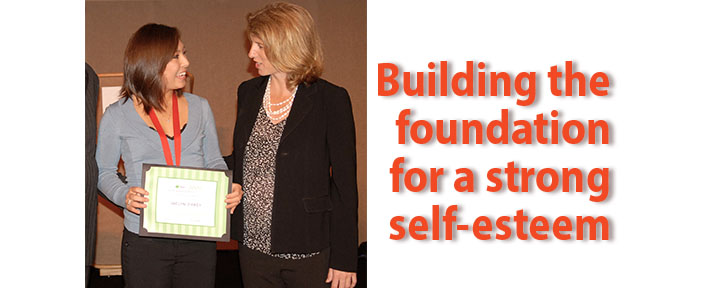
I remember when Rory Kennedy (yes, that Kennedy) gave my youngest daughter Jaclyn an additional $10,000 scholarship (total $20,000) at the National Toyota Community Scholars event in Kentucky, Jaclyn told me that she was so proud to be recognized by such an esteemed group of judges. When I reminded her that I have been telling her how exceptional she was since she was 7 years old, she responded: “Yeah, but you’re my mom… Of course you’re going to say that!”.
I find that teens who do individual projects (not group projects and not things that are required by teachers or clubs) because they are interested in fixing these problems or exploring these areas, become confident, interesting, and happy young adults. They put their ideas and energy into developing projects that help society (or to become successful). You can’t take away self-esteem that is grounded in real work that they accomplish on their own.
Don’t get paranoid if the UCs request more information from you to validate information you have listed in your academic history, honors and awards, extracurriculars, volunteer work and community service, special programs, or any other topics. They are selecting students from a random sampling to send in proof or documentation about information listed on you UC application.
You’ll need to get documentation from your counselor, teacher, coach, or other, on letterhead. Everything needs to be received by the UC admissions office by January 31, 2022. Failure to respond will result in the cancellation of your application. This is a good heads up about not “puffing” (exaggerating or lying) about anything on your college applications.

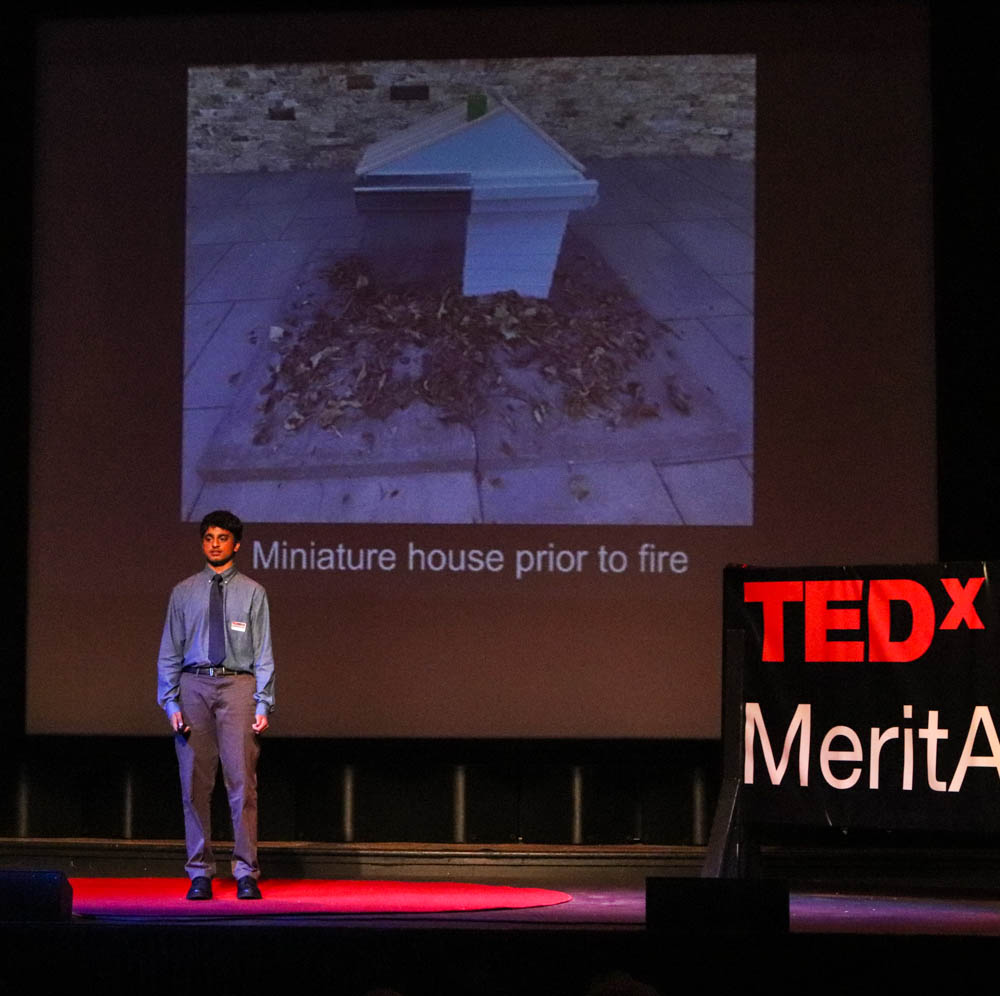
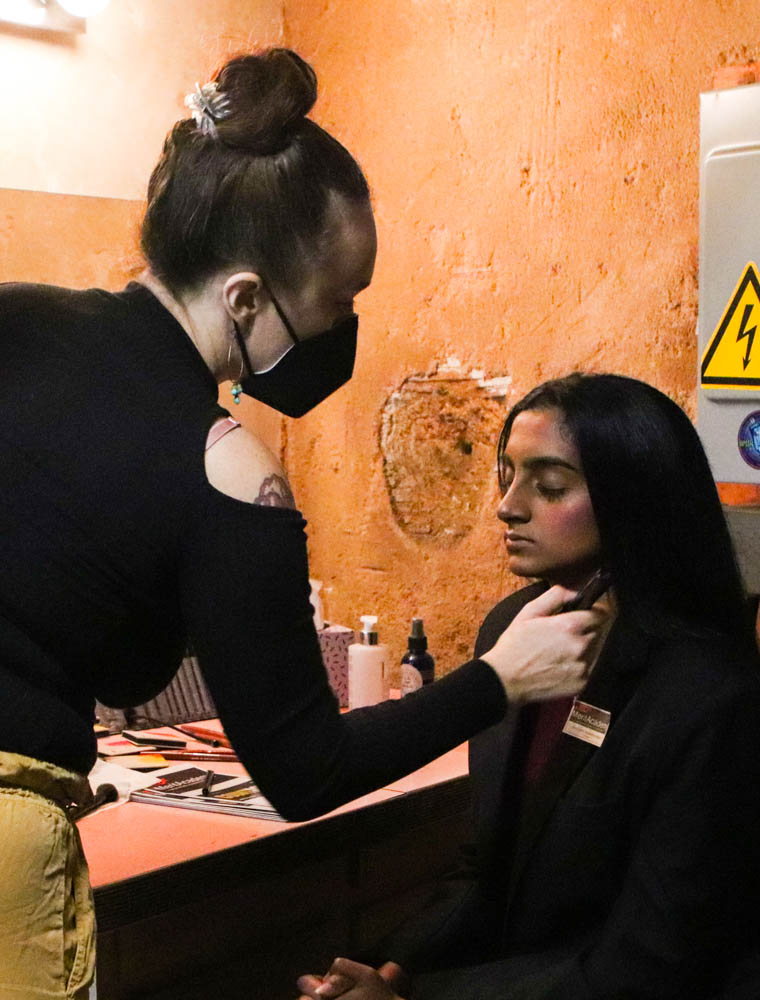
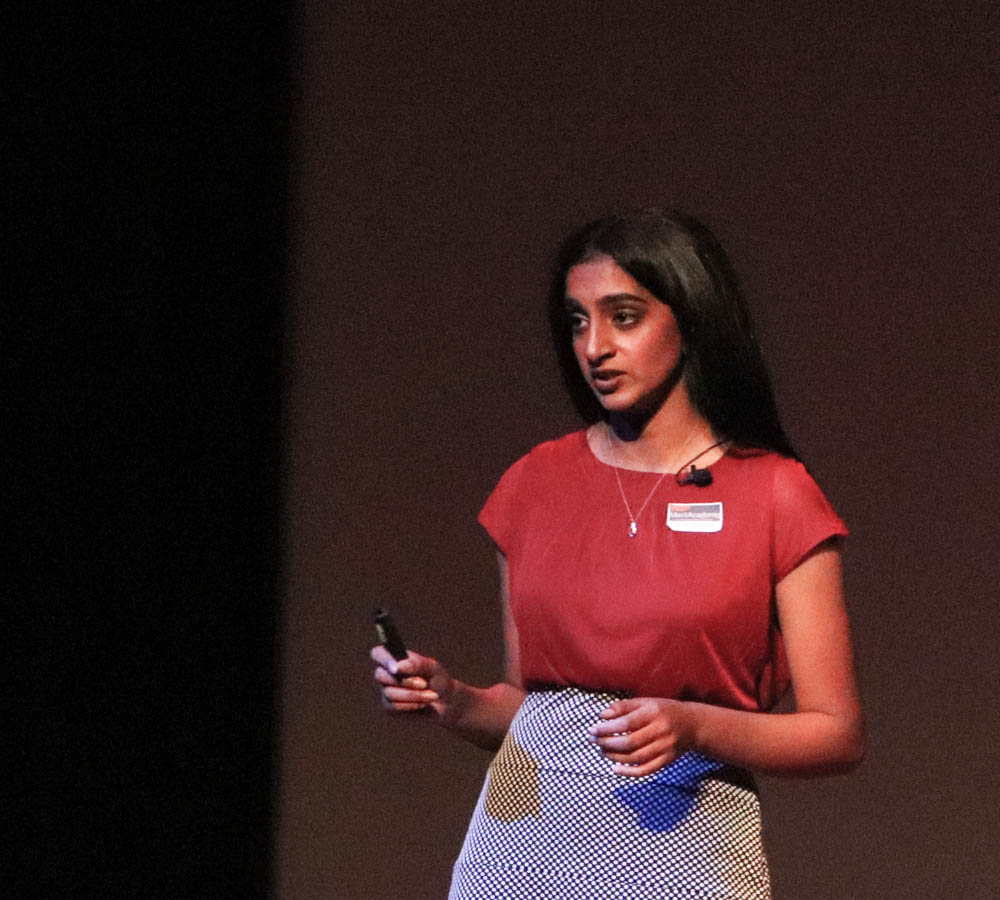
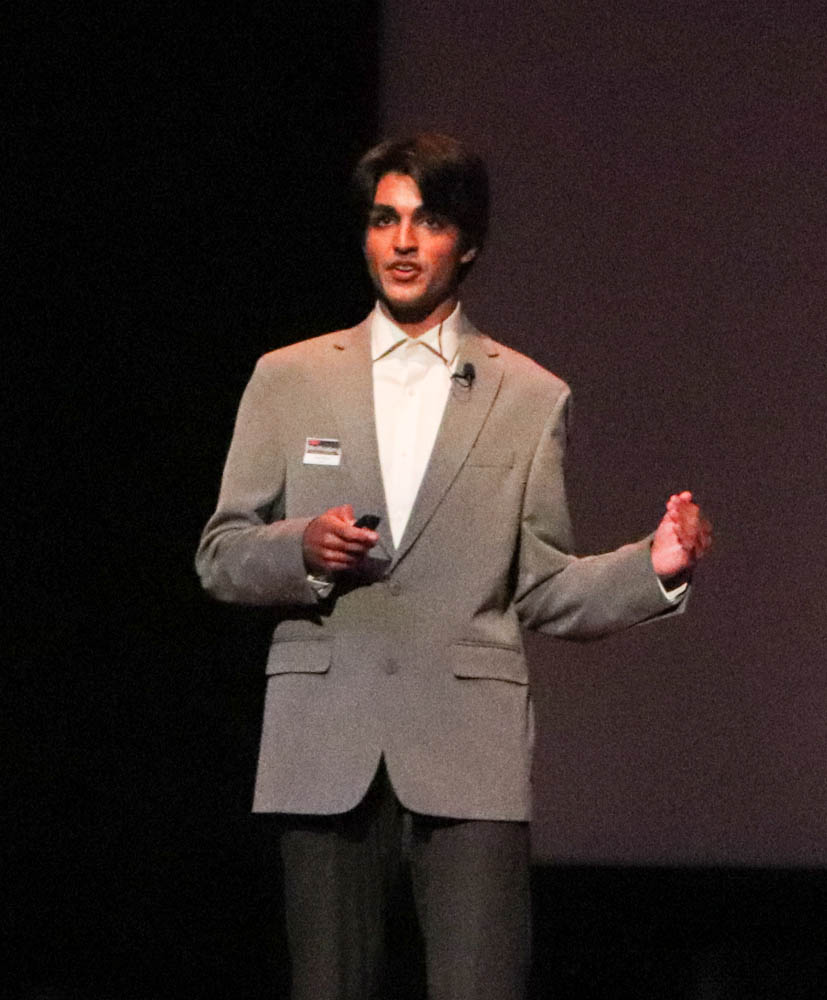
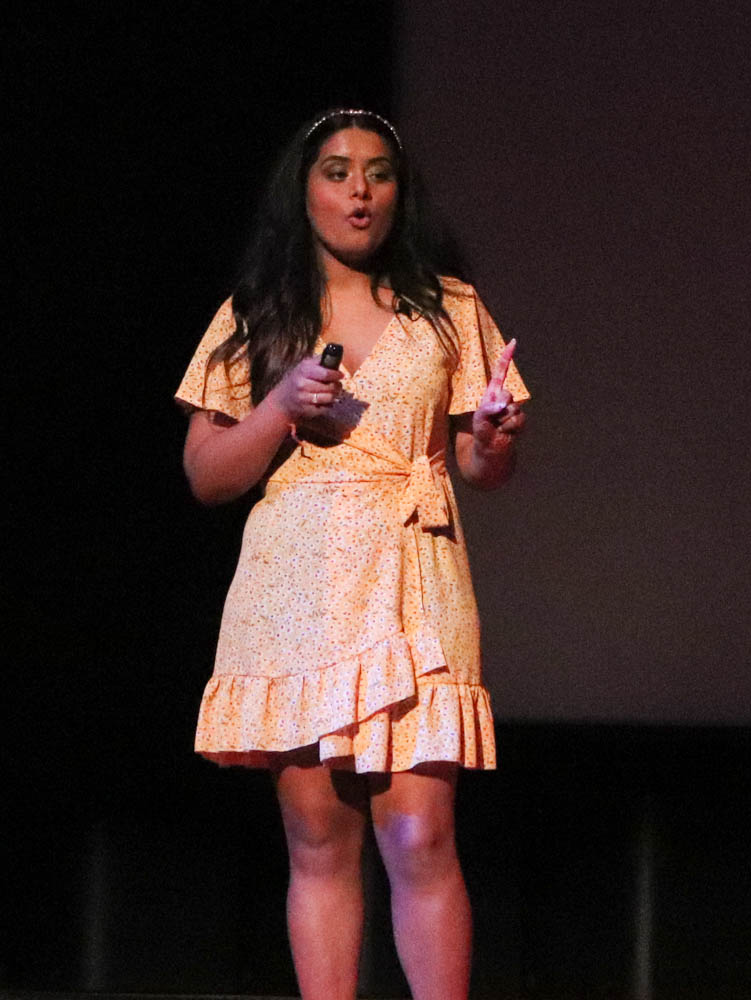
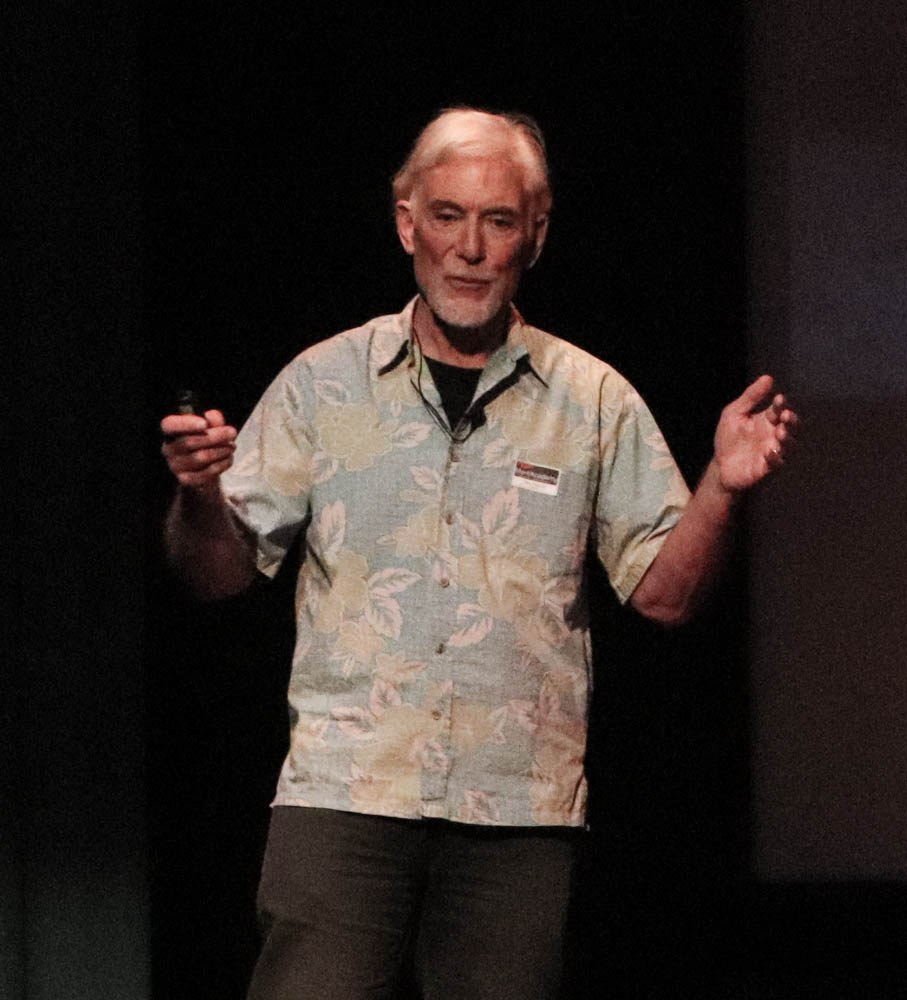
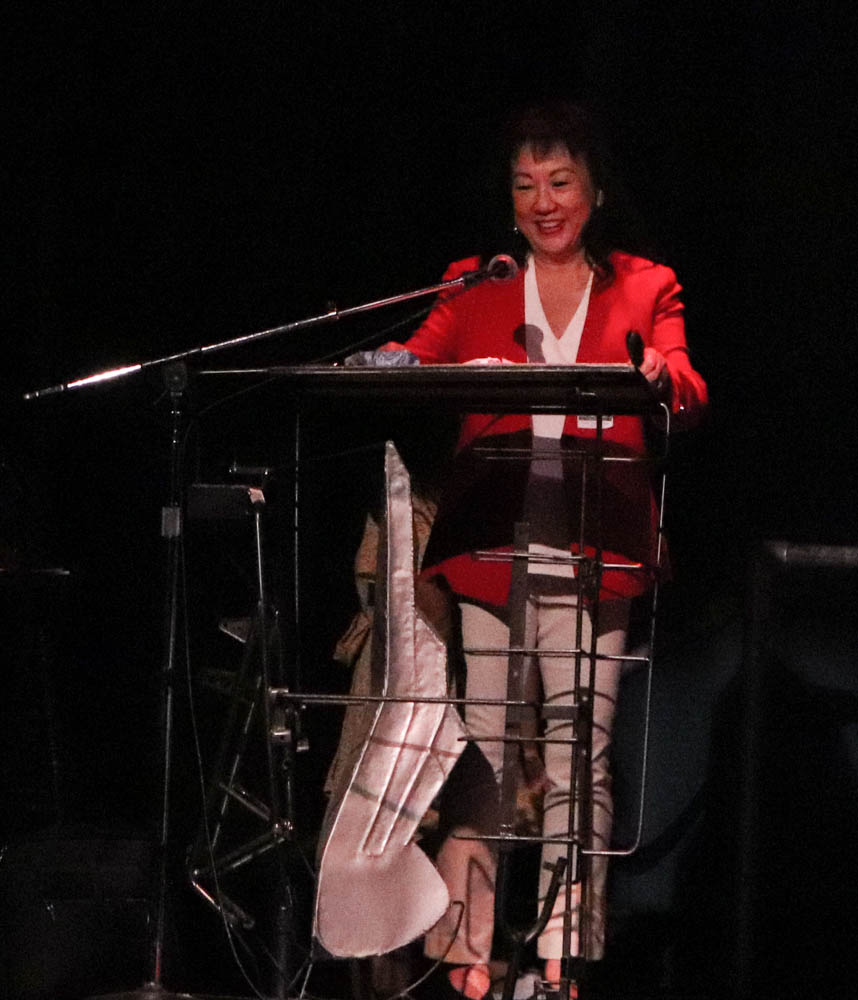
Proud of these speakers for sharing their ideas about solving our climate crisis and improving healthcare here in the US and around the world. We’ll post their TEDx videos as soon as they’re approved by TED.


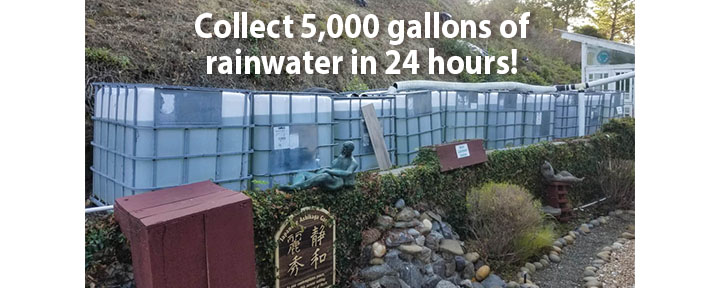
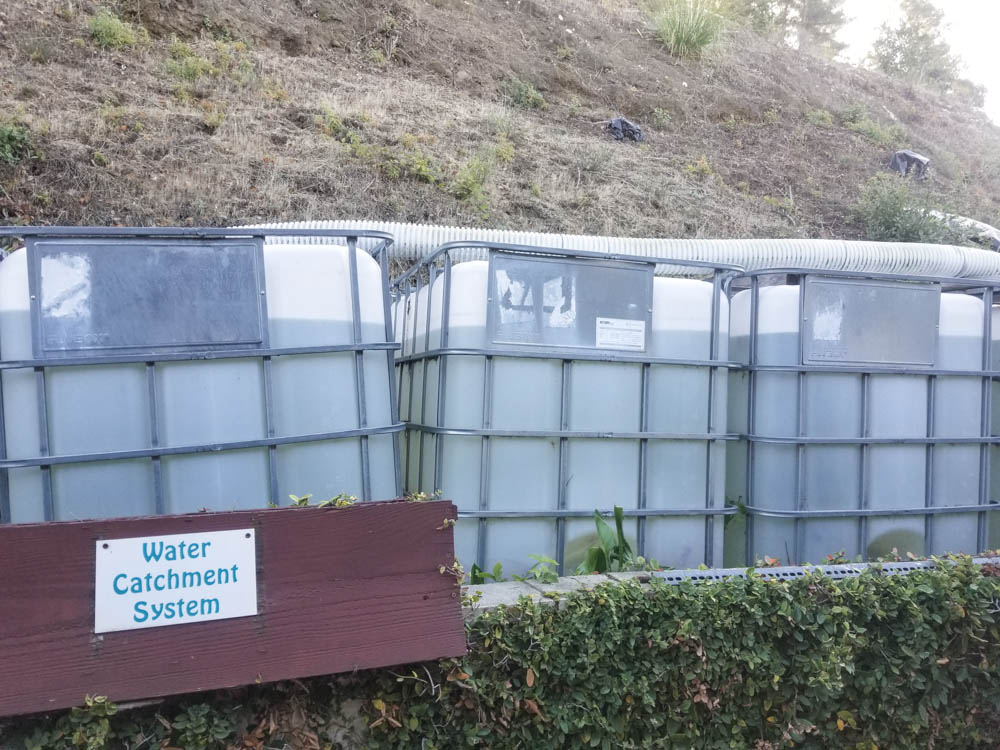
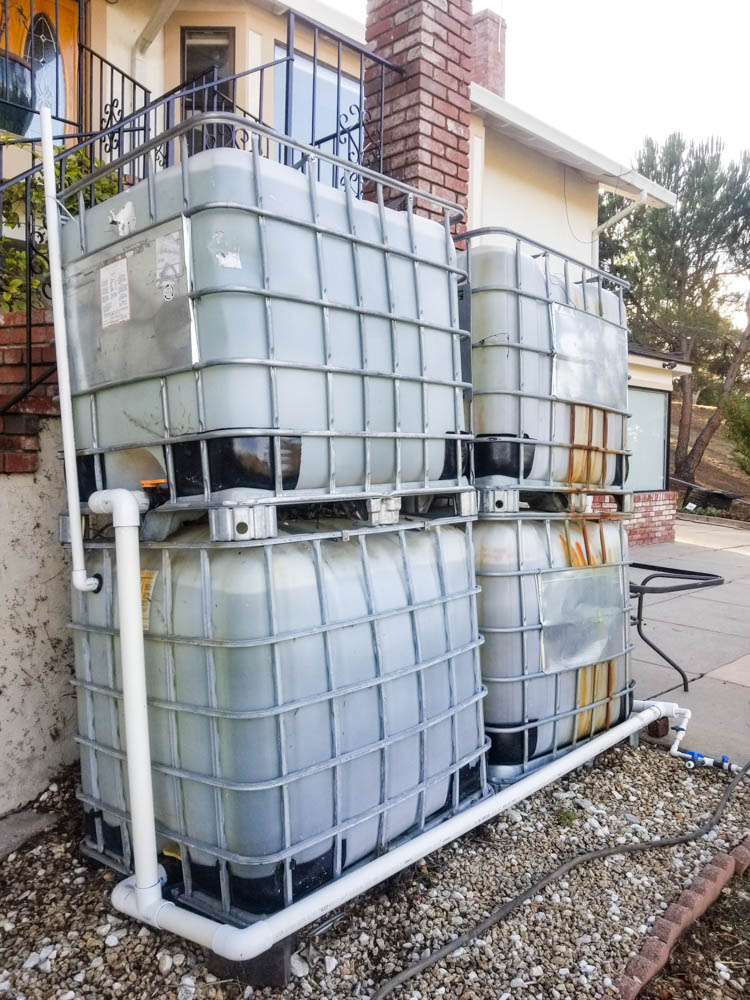
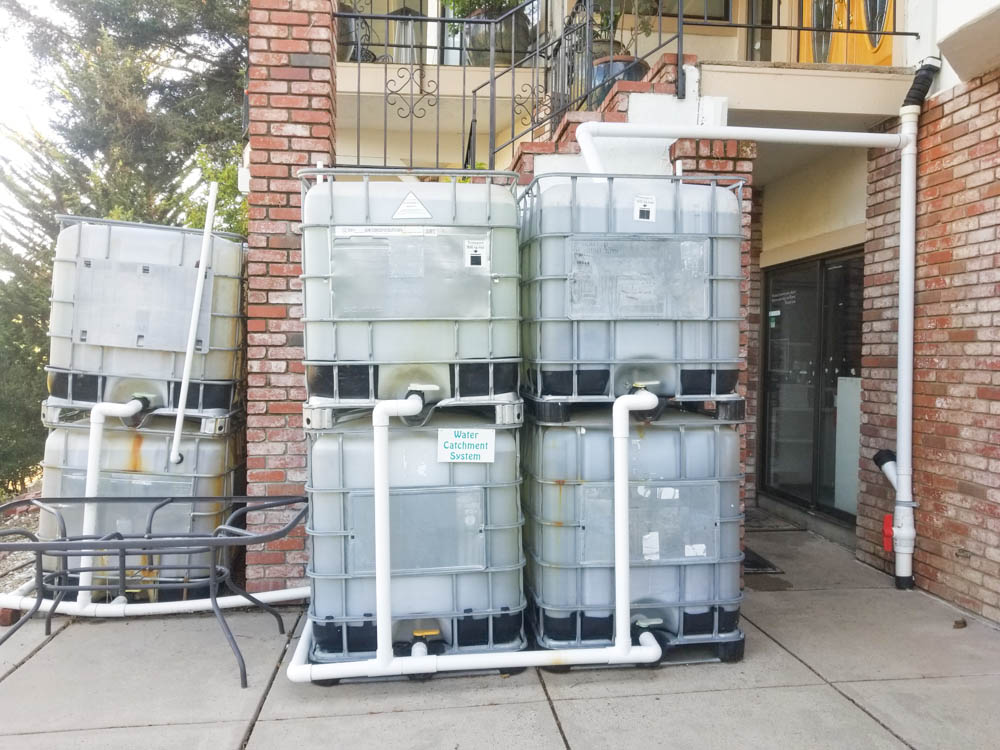
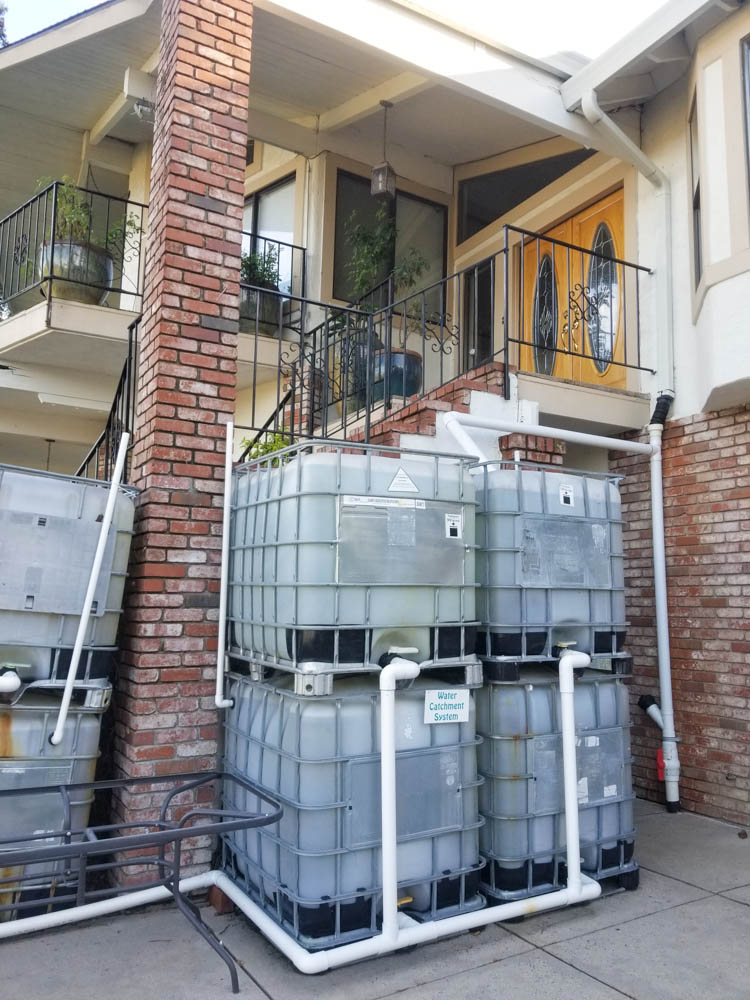
Living in a drought in California changes your perspective on rainfall. After 9 months without rain, we were thrilled that a huge atmospheric river was heading our way. We had about 24 hours of non-stop rain on Sunday. Every drop that landed on our roof funneled down pipes directly into our 18 IBC tanks.
Each tank holds about 275 gallons of rainwater. The west side of our roof filled 8 IBC tanks, while the east side filled 10 IBC tanks. Imagine that? We collected about 5,000 gallons in one day!
We just filled a separate 5,000-gallon tank from left-over water from last season – so now we have a total of 10,000 gallons reserved. We use this to irrigate our 30 fruit trees and raspberry/blackberry patches.
With a warming climate causing extreme weather conditions, we need to plan how to conserve the rainwater we do get. It gives me a great sense of security knowing I have enough water for next year’s fruit harvest.
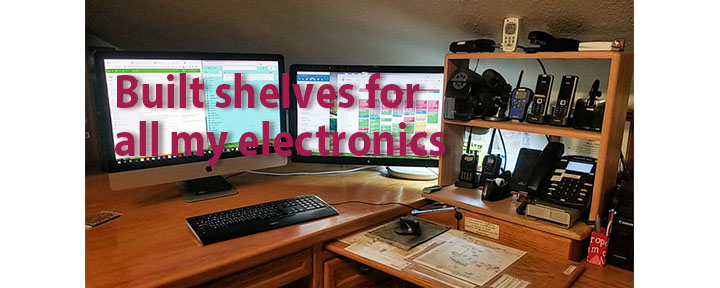
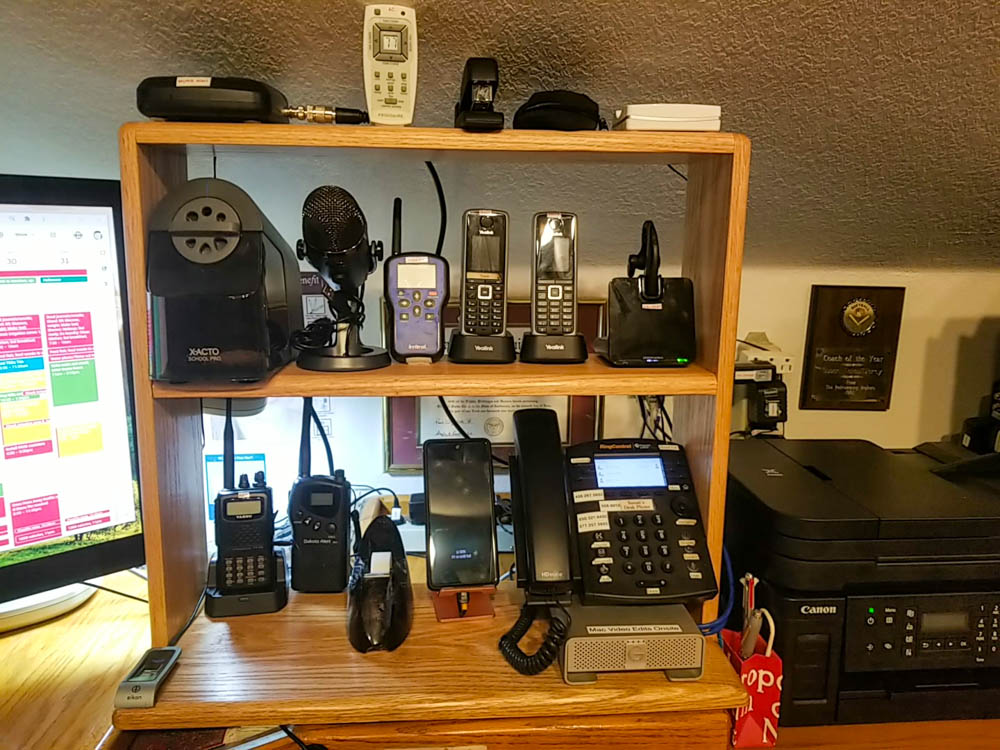
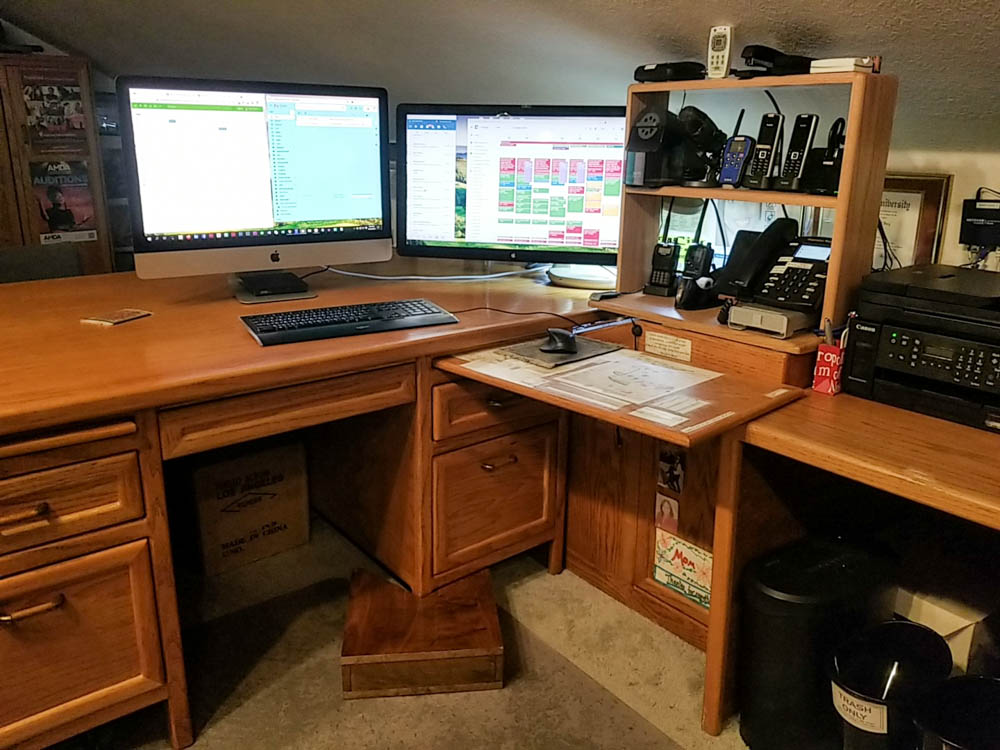
Should have taken a “before” photo with all of my phones, headset, MURS radio, ham radio, Dakota Alert desk radio, my remote controls (for AC and irrigation), and office equipment. It was a heaping mess of wires, cables, and just too much stuff. Designed this phone shelf to sit next to my desk so I could have everything within an arm’s reach. I know, I know, I know… this is WEIRD, but I love wrapping cables and organizing all my stuff.

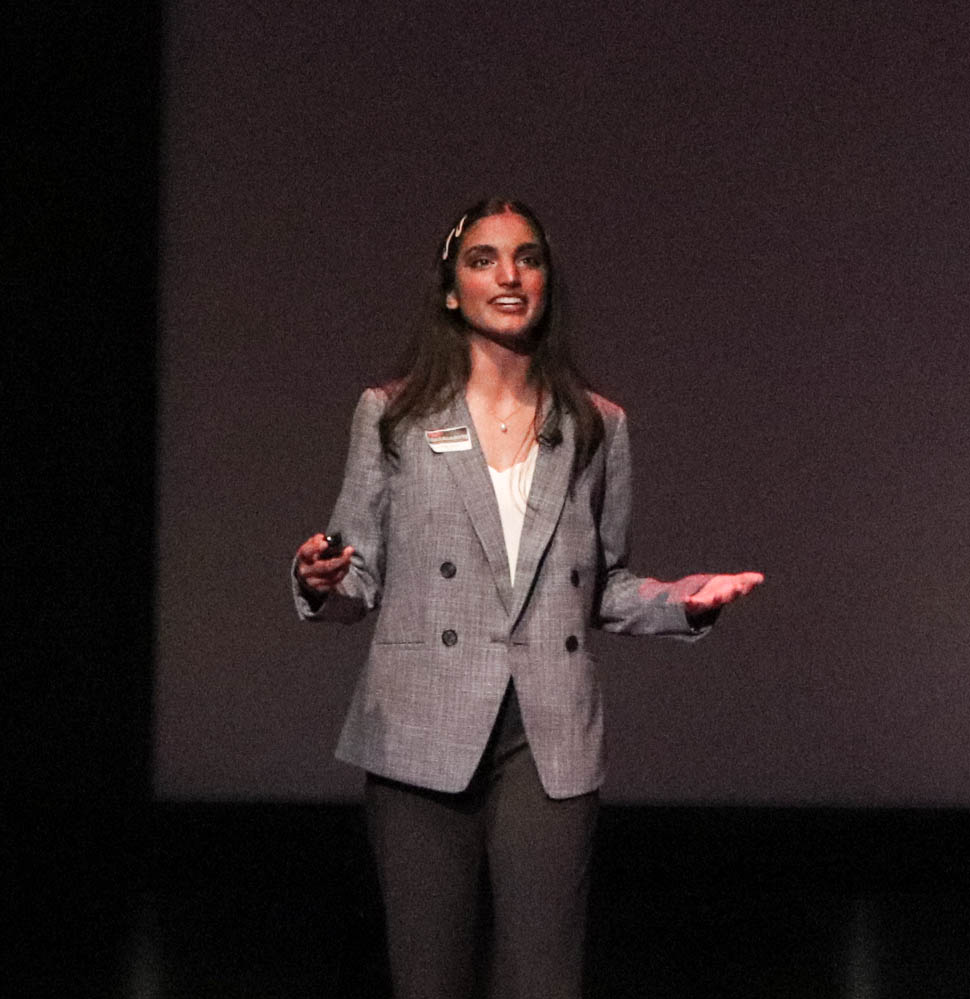
Diabetes killed 1.5 million people in 2019, and it is completely preventable. The World Health Organization currently lists diabetes as the 9th leading cause of death in the world. When a pre-diabetic person’s fasting blood sugar elevates to 126 mg/dL, they pass a threshold that means that they will be diabetic for life. After that point, there is absolutely nothing that can be done to reverse it. But, if pre-diabetic people monitor their blood sugar so they don’t pass 126, they can avoid diabetes completely. Aurchana Manickavasagan talks about the dangers that lie in the permanence of diabetes, and how checking your numbers consistently is the key to long, diabetes-free life.
About Aurchana Manickavasagan:
Aurchana Manickavasagan is a senior in high school and the founder of Daily Dose of Sugar. She wants to attend medical school to become a surgeon. She enjoys reading, playing badminton, and trying new kinds of food.
Come see Aurchana Manickavasagan at TEDxMeritAcademy at the Rio Theatre on Nov 7th at 1:00-3:00 pm in Santa Cruz, CA.

Our population is rapidly increasing, and our food supply can barely keep up. Pests relentlessly attack crops, threatening the stability of our food supply. Pesticides are necessary to stop these pests, but the use of these only harm us and the environment around us. It seems as if it’s an inescapable dilemma — do we protect our environment or our food supply? But do we really need to answer this question at all? In his speech, Ishan discusses the application of the mushroom Cordyceps militaris as a highly effective pesticide that poses no threat to the environment, as well as the health problems that pesticides pose to us as humans.
About Ishan Bhatia:
Ishan Bhatia is a junior in high school and is interested in researching a variety of scientific ideas and topics, as well as specific fields such as biochemistry and neuroscience. He also plays the French Horn and in his free time, he likes to hang out with friends, sing, and play video games.
Come see Ishan Bhatia at TEDxMeritAcademy’s COUNTDOWN at the Rio Theatre on Nov 7th at 1:00-3:00 pm in Santa Cruz, CA.

Tim Niemier asks if we can come up with a universal way of measuring what we do as individuals, what our governments do, and what our corporations do or don’t do. Do we want to depend on our government or corporations to act and regulate or can we do it ourselves?
About Tim Niemier:
Tim Niemier grew up in Malibu and designed the first sit-on-top kayak, which became a multi-million dollar business, Ocean Kayaks. Tim lives in Bellingham, WA, where he is launching his most recent creation: the Origami Paddler — a paddleboard that folds into thirds for easy transportation. A true environmentalist, Tim has ideas worth spreading.
Come see Tim Niemier at TEDxMeritAcademy’s COUNTDOWN at the Rio Theatre on Nov 7th at 1:00-3:00 pm in Santa Cruz, CA.