

I just returned home after spending five weeks in New Jersey, and I came back with a whole new appreciation for Santa Cruz.
I loved every minute with my family. I taught my grandson how to ride his new two-wheeled balance bike, introduced him to miniature golf, and got to meet my new granddaughter. But I also discovered something I had never really thought about before: much of the country lives indoors because of the weather.
During my visit, temperatures hovered above 95 degrees with high humidity. Unlike Santa Cruz, it didn’t cool off much at night. If we wanted to ride bikes or go to a park, we had to leave by 7:30 in the morning. By 9:00, we were usually heading back to the car with the air conditioner blasting.
Even playgrounds were different. One “jungle gym” we visited wasn’t outside under trees and blue skies. It was inside a huge warehouse with no windows, skylights, or plants—just brightly painted equipment under artificial lights. In winter, freezing temperatures, rain, ice, and snow limit outdoor play. In summer, heat and humidity send everyone back indoors.
Even going to the beach was exhausting. The heat drained the kids’ energy, and before long we found ourselves retreating to an air-conditioned house or restaurant. Every plan revolved around two questions: How hot will it be, and will there be any shade?
That’s when I started thinking about what quality of life really means.
I’ve traveled throughout the world and experienced incredible mountains, beaches, cities, and cultures. As an educator, I love meeting people, learning their history, and exploring museums and landmarks. With my Merit Academy students, I’ve climbed Chichén Itzá, explored literary homes in England, marveled at Neuschwanstein Castle in Germany, and stood before the Taj Mahal in India.
I’ve loved my travels. But something happens every time I come home.
As I drive south on Highway 17 and cross the Summit toward Santa Cruz, I catch that first glimpse of Monterey Bay—and I can feel the stress leaving my body. The air changes. The temperature changes. The mountains open up to the ocean, and I know I’m home.
How lucky are we?
We can open our windows and breathe fresh ocean air instead of living with air conditioning or heaters running around the clock. We can drive along East Cliff and watch surfers, kayakers, pelicans, and dolphins. Our children can play outside most days of the year.
We can walk along Monterey Bay in the morning and hike beneath towering redwoods that afternoon. We can wander through Nisene Marks, Henry Cowell, Big Basin, or the UCSC trails and breathe that cool, earthy redwood-forest air. Trees release natural compounds called phytoncides, but you don’t need to understand the science to know how restorative a walk through the redwoods can feel.
Before this trip, I didn’t fully realize how much our climate shapes our quality of life.
So much of the country alternates between weather extremes that push people indoors: air conditioning all summer and heaters all winter. When you’re constantly moving from an air-conditioned house to an air-conditioned car to an air-conditioned store, school, restaurant, or playground, something important is missing.
Fresh air. Nature. Open windows. Spontaneous time outdoors.
We complain about traffic, potholes, foggy mornings, tourists, and the outrageous cost of living here. Those are real problems. But every once in a while, we should look around and remember what we have.
We live where the redwoods meet the sea. We live where children can play outside almost year-round. We live where a morning at the beach and an afternoon in an ancient redwood forest are completely normal.
After five weeks away, I’ve decided that my favorite vacation destination is still the place I get to come home to.
Santa Cruz really may be one of the best places on Earth.
Shhh… let’s keep it our little secret.
I just returned home after spending five weeks in New Jersey, and I came back with a whole new appreciation for Santa Cruz.
I loved every minute with my family. I taught my grandson how to ride his new two-wheeled balance bike, introduced him to miniature golf, and got to meet my new granddaughter. But I also discovered something I had never really thought about before: much of the country lives indoors because of the weather.
During my visit, temperatures hovered above 95 degrees with high humidity. Unlike Santa Cruz, it didn’t cool off much at night. If we wanted to ride bikes or go to a park, we had to leave by 7:30 in the morning. By 9:00, we were usually heading back to the car with the air conditioner blasting.
Even playgrounds were different. One “jungle gym” we visited wasn’t outside under trees and blue skies. It was inside a huge warehouse with no windows, skylights, or plants—just brightly painted equipment under artificial lights. In winter, freezing temperatures, rain, ice, and snow limit outdoor play. In summer, heat and humidity send everyone back indoors.
Even going to the beach was exhausting. The heat drained the kids’ energy, and before long we found ourselves retreating to an air-conditioned house or restaurant. Every plan revolved around two questions: How hot will it be, and will there be any shade?
That’s when I started thinking about what quality of life really means.
I’ve traveled throughout the world and experienced incredible mountains, beaches, cities, and cultures. As an educator, I love meeting people, learning their history, and exploring museums and landmarks. With my Merit Academy students, I’ve climbed Chichén Itzá, explored literary homes in England, marveled at Neuschwanstein Castle in Germany, and stood before the Taj Mahal in India.
I’ve loved my travels. But something happens every time I come home.
As I drive south on Highway 17 and cross the Summit toward Santa Cruz, I catch that first glimpse of Monterey Bay—and I can feel the stress leaving my body. The air changes. The temperature changes. The mountains open up to the ocean, and I know I’m home.
How lucky are we?
We can open our windows and breathe fresh ocean air instead of living with air conditioning or heaters running around the clock. We can drive along East Cliff and watch surfers, kayakers, pelicans, and dolphins. Our children can play outside most days of the year.
We can walk along Monterey Bay in the morning and hike beneath towering redwoods that afternoon. We can wander through Nisene Marks, Henry Cowell, Big Basin, or the UCSC trails and breathe that cool, earthy redwood-forest air. Trees release natural compounds called phytoncides, but you don’t need to understand the science to know how restorative a walk through the redwoods can feel.
Before this trip, I didn’t fully realize how much our climate shapes our quality of life.
So much of the country alternates between weather extremes that push people indoors: air conditioning all summer and heaters all winter. When you’re constantly moving from an air-conditioned house to an air-conditioned car to an air-conditioned store, school, restaurant, or playground, something important is missing.
Fresh air. Nature. Open windows. Spontaneous time outdoors.
We complain about traffic, potholes, foggy mornings, tourists, and the outrageous cost of living here. Those are real problems. But every once in a while, we should look around and remember what we have.
We live where the redwoods meet the sea. We live where children can play outside almost year-round. We live where a morning at the beach and an afternoon in an ancient redwood forest are completely normal.
After five weeks away, I’ve decided that my favorite vacation destination is still the place I get to come home to.
Santa Cruz really may be one of the best places on Earth.
Shhh… let’s keep it our little secret.

Where do you stand on raising children in a world of TikTok, Snapchat, YouTube, online games, and AI chatbots?
Most parents are in survival mode. We open Instagram for “just a minute,” and suddenly 30 minutes are gone. We hand our kids our phones at a restaurant, in the car, or whenever we need a break.
Parents are tired. Children melt down. And screens work—at least for the moment. But once children learn that a phone relieves boredom, frustration, or loneliness, it becomes harder to put the genie back in the bottle.
The numbers should alarm us. Pew Research Center reported in 2024 that nearly half of U.S. teens say they are online “almost constantly,” up from 24% a decade earlier. Common Sense Media found that 40% of children have their own tablet by age 2.
This is not just “kids being kids.” This is the new business model.
One of my former students earned a degree in game design. In 2018, he interviewed with major gaming companies. They wanted to know: Could he help design a game so compelling that players would keep playing instead of eating, going to the bathroom, doing homework, or going to school? These are not side effects. These are the goals.
Apps, games, and platforms are intentionally designed to capture and hold children’s attention. Infinite scroll, autoplay, streaks, likes, notifications, personalized feeds, and algorithmic recommendations are carefully engineered hooks.
The U.S. Surgeon General has warned that adolescents who spend more than three hours a day on social media face double the risk of poor mental health outcomes. The CDC also found that frequent social media use was associated with higher rates of bullying, sadness, hopelessness, and suicide risk.
It’s not that social media causes every mental health crisis. But we can no longer pretend that constant exposure to addictive design, public comparison, online bullying, sexualized content, and peer drama is harmless.
We have all seen the damage caused by gossip and bullying. But social media gives children tools to humiliate and emotionally wound their peers in seconds. Years ago, one of my students had a painful fight with her best friend. Instead of cooling off, the friend created a website filled with private secrets. Within hours, classmates, teachers, and even the principal had seen it. That is not childhood drama. It is emotional trauma that can lead to severe depression, self-harm, and even suicide.
Governments are beginning to respond. Michigan’s “Kids Over Clicks” bills aim to restrict addictive feeds, limit notifications, reduce collection of children’s data, and place guardrails around AI chatbots. Australia has gone further, requiring major social media platforms to block children under 16.
So what can parents do?
Refuse to normalize constant access. Do not use the phone as the default pacifier. Keep phones away from meals and bedrooms. Set up a family charging station outside sleeping areas. Turn off notifications. Delay smartphones until high school, and then set rules about when, where, and how long they may be used. Use parental controls, but do not rely on them as a substitute for supervision. Know what your child is watching, what games they are playing, and who they are talking to. Teach them about algorithms and how companies make money by targeting them.
Most importantly, replace screens with something better. Children need books, pets, chores, art supplies, music, sports, nature, board games, cooking, gardening, and face-to-face friendships. Teens need purpose, meaningful projects, volunteer work, and trusted adults who listen.
When my daughters were growing up, I did not allow video games in our home. When they visited friends, they may have tried the games, but because they had not practiced for hundreds of hours, they quickly lost interest. Even today, neither of them plays video games. Was it easy? No. Parenting rarely is. Children do not need overwhelmed parents who blindly follow trends. They need parents willing to protect them.
This is not about blaming parents. It is about sharing insights. We are raising children in a world where childhood itself has been hijacked by corporate greed.
The good news is that families can change course. Children’s boredom opens doors to curiosity and expands their imaginations. Teens can rediscover sleep and engage with like-minded friends. Families can reclaim dinner tables, bedrooms, car rides, and weekends. Communities can support legislation that protects minors from addictive design.
Our children are being outmatched by technology designed to overpower adult self-control, let alone a developing brain. They need us to step in. Set the rules. Hold the line. Offer better alternatives. Say it clearly: “Your childhood matters more than their clicks.”
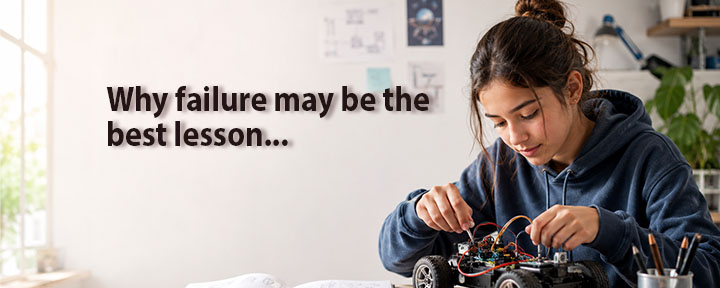
Success is often the culmination of lessons learned from failure. Back in my early 20s, I opened an environmental fundraising company that quickly lost $100,000 in six months. Devastated and unsure what to do next, I visited my Uncle Frank for advice.
Uncle Frank was the first manufacturer of imitation crab in the United States. By the time I sat down with him, he had started 50 corporations. To prove it, he pulled out a thick binder and turned the pages one by one. As we looked through the binder, he explained why 46 of those businesses had failed. Then he told me about the four that were extremely successful. Their success, he said, was the direct result of what he had learned from every one of those 46 failures.
That meeting changed the trajectory of my life. Instead of beating myself up for losing $100,000, I began to marvel at what I had learned about luck, timing, resilience, and persistence. Uncle Frank told me to hang on to my dreams and goals. Even if I failed or fell short, I would still be better off than I was before I started. He also told me not to worry too much about what others think or say. The difference between success and failure—or being called a genius or an idiot—is often paper-thin.
As a college advisor, I guide students to find their special niche: a talent, interest, or passion that may lead them to a career where they can thrive, wake up excited to work each day, and eventually live the lifestyle they hope to build. We explore the many problems facing our society—climate change, civil rights, poverty, food safety, education, technology, health care—to see what sparks their interest. Where might this student focus their energy? What problem could they help solve, or at least improve?
Most students ages 14 to 18 do not yet have the expertise or know-how to launch ambitious projects on their own. That is why I connect them with specialists and mentors who can help build their foundation and give them step-by-step instruction. But even with support, the mistakes and setbacks are theirs to experience. That is an essential part of the process.
With each setback, students begin to understand firsthand what went wrong. They learn to research solutions, ask better questions, adjust their plans, and try again. They learn how to brush off their knees after a fall and find a new way to accomplish their goals. These are the kinds of lessons that cannot be taught through lectures or worksheets. They have to be lived.
Unfortunately, some parents step in and do the work for their children. They think they are helping by speeding up the process, especially when their kids are already juggling school, sports, music, volunteering, and other extracurricular activities. But when parents take over, they rob their children of the opportunity to struggle, problem-solve, and grow.
One parent actually took his son’s project to India and had a team of engineers build it. When he returned home with the completed project, his son was humiliated. The unspoken message he received was that his father did not believe he was capable of doing it himself. The damage was heartbreaking. The son decided not to apply to college and lost much of his entrepreneurial ambition.
On the other hand, I have seen obstacles help students become more confident, capable, and self-assured. When they work through problems themselves, they begin to trust their own judgment. They become more critical thinkers because they have learned from their mistakes. They are not devastated by every challenge because they know challenges are part of the process.
College, careers, relationships, and life itself will inevitably be filled with problems, disappointments, and even crises. Students who have learned how to overcome obstacles will be better prepared to handle them. They will be more resilient because they have already practiced resilience.
But students whose parents do their work for them—or whose teachers give them shortcuts and cheat sheets so they can memorize facts without truly understanding concepts—may struggle when life demands original thinking, discipline, and perseverance. Without the experience of working through failure, they may become stressed, dependent, and unsure of themselves.
So as you plan your children’s summer and school-year extracurriculars, give them the opportunity to try many things, even if those activities seem over their heads or possibly insignificant. Let them experiment. Let them make mistakes. Let them be frustrated. Let them discover what they care about and what they are willing to work hard to achieve.
Remember Uncle Frank. He learned from every one of his 46 failures before he had the wisdom, experience, and confidence to build four successful companies. Failure did not define him. It trained him.
And it may be one of the most valuable gifts we can allow our children to experience.

Every parent has been there. You’re in the grocery store, trying to leave preschool, or just attempting to get your child into the car. Suddenly, your toddler melts down—crying, yelling, maybe even hitting — because he wants that toy. And almost instantly, something shifts in you.
Your voice tightens. Your patience disappears. You feel everyone’s eyes on you. Maybe you’re embarrassed. Maybe you’re frustrated. Maybe you’re just exhausted.
And in that moment, without realizing it, you’ve joined the meltdown.
This is where most parents go wrong. We react. We rush. We try to shut it down as quickly as possible. We say things like, “Stop it right now,” or “That’s enough,” or we grab our child and remove them from the situation without addressing what is happening.
The problem is, your child still wants that toy.
Now the situation has shifted. It’s no longer about the toy. It’s about emotion—yours and theirs. And children are incredibly sensitive to that. They pick up on your stress, your tone, your disappointment. Some children escalate because of it. Others shut down. Either way, the original goal gets lost.
What the child learns in that moment is not how to get what they want. They learn how powerful and scary emotions can be. They see their normally adoring mother turn into a mean monster, and that situations can spiral out of control quickly. And sometimes, they learn that their loudest or most intense behavior gets the biggest reaction. Oops, not what we want.
So let’s make this a teachable moment by bringing it back to the goal.
Your toddler’s goal is simple: “I want the toy.”
So instead of reacting to the behavior, calmly ask, “Do you want the toy?” Even a very young child understands that question. Then follow it with, “Is crying getting you the toy?” or “Is hitting working?”
This is where the shift happens. You are not scolding. You are helping them think.
Toddlers are much smarter than we give them credit for. They already notice when something is off limits. They know when they’re pushing a boundary. They absolutely notice your reactions—your tone, your face, your body language. What they don’t yet understand is how all of it connects.
That’s what we can teach.
“When you hit, Mommy gets upset. When Mommy gets upset, we have to leave. Then you don’t get the toy.” Pause. Take a breath so they can process this.
That’s not blame. That’s cause and effect.
Many parents hesitate here because they don’t want their child to feel bad or think, “Mommy is upset with me.” But avoiding that conversation actually creates more confusion. The child still sees your reaction—they just don’t understand it.
At the same time, there is a very important line we cannot cross. The child must never feel that your love is at risk or is conditional.
So while you are explaining what isn’t working, you anchor them: “I love you. It’s okay to want the toy. Let’s think about a good way to ask for it.”
This is where another common mistake happens. Parents either become too harsh in the moment, or they swing the other direction and give in just to make the situation stop. Both teach the wrong lesson.
Overreacting teaches the child that emotions are unpredictable and overwhelming.
Giving in teaches the child that escalation works.
Neither teaches them good communication skills.
What actually works is surprisingly simple, but it requires discipline from the adult. You stay calm. You slow things down. You bring the focus back to the goal, and then you show them a strategy that works.
“Can you say, ‘Can I have a turn?’”
When they try—even imperfectly—you acknowledge it. That’s the moment they begin to learn: this works.
Meltdowns are uncomfortable. They are inconvenient. And no parent handles them perfectly every time.
But they are also one of the most important teaching moments we have.
In these moments, children are not just learning about toys or limits. They are learning how the world works. They are learning how other people respond. And most importantly, they are learning strategies to adjust, communicate, and eventually get what they need in a positive way.
If we can stay focused on that—on helping them understand what works—we turn a meltdown into something far more valuable than just getting through the moment.
We teach them how to navigate life.

Colleges today are looking for curious students — those who dive deeply into subjects that truly fascinate them. Gone are the days when being a “Jack of all Trades” guaranteed admission. Juggling three sports, piano lessons, multiple clubs, and hundreds of volunteer hours no longer impresses top universities.
Instead, admissions officers are drawn to students whose curiosity leads them to explore meaningful questions over time. They can spot the difference between a last-minute “passion project” and one that reflects genuine dedication. When a student begins exploring an idea in 8th or 9th grade and develops it throughout high school, it shows depth, resilience, and authentic engagement — qualities every selective college values.
Admissions officers love reading about students who lose track of time while learning something new. They want to see how a spark of interest becomes a serious pursuit — one that leads to research, innovation, or even publication. By senior year, these students often have impressive results: awards, patents, community impact, and teachers who write glowing recommendation letters about their initiative.
That’s what we celebrate at TEDxMeritAcademy in Santa Cruz. Each year, I mentor students as they design and execute projects based on their passions. These projects culminate in a TEDx talk, where students share their discoveries, insights, and vision for a better world. Having a TEDx talk on their résumé isn’t just impressive — it’s evidence of curiosity, creativity, and courage.
Here’s a sneak peek at a few of this year’s remarkable speakers:
Lilly F.
Harmful algae blooms threaten waterways worldwide, harming ecosystems and human health. Lilly explores turning this problem into a solution by transforming harvested algae into a biofertilizer. Her experiments could reduce chemical fertilizer use while repurposing pollution into productivity.
Ankith G.
Traditional wheelchairs often expose users to injuries caused by open spokes. Ankith designed a spokeless wheelchair — now under provisional patent review — that enhances safety, stability, and maneuverability while offering a sleek, minimalist design.
Audri A.
Athletes train their bodies to perform, but often neglect their minds. Audri surveyed hundreds of players and found that 85% reported nerves hurt their performance. She’s creating a mental-training program to strengthen both focus and confidence — improving athletic results from the inside out.
Lucida C.
After witnessing how strangers in Taipei made room for the elderly, Lucida was inspired to design smart insoles that help prevent falls. Her insoles use pressure sensors and adjustable air pockets to detect imbalance and provide real-time support — merging technology with compassion.
Come hear these inspiring talks — and more — at TEDxMeritAcademy on Sunday, November 9, 2025, at 1:00 PM at The 418 Project in Santa Cruz.
Tickets available at tedxmeritacademy.com/tickets.
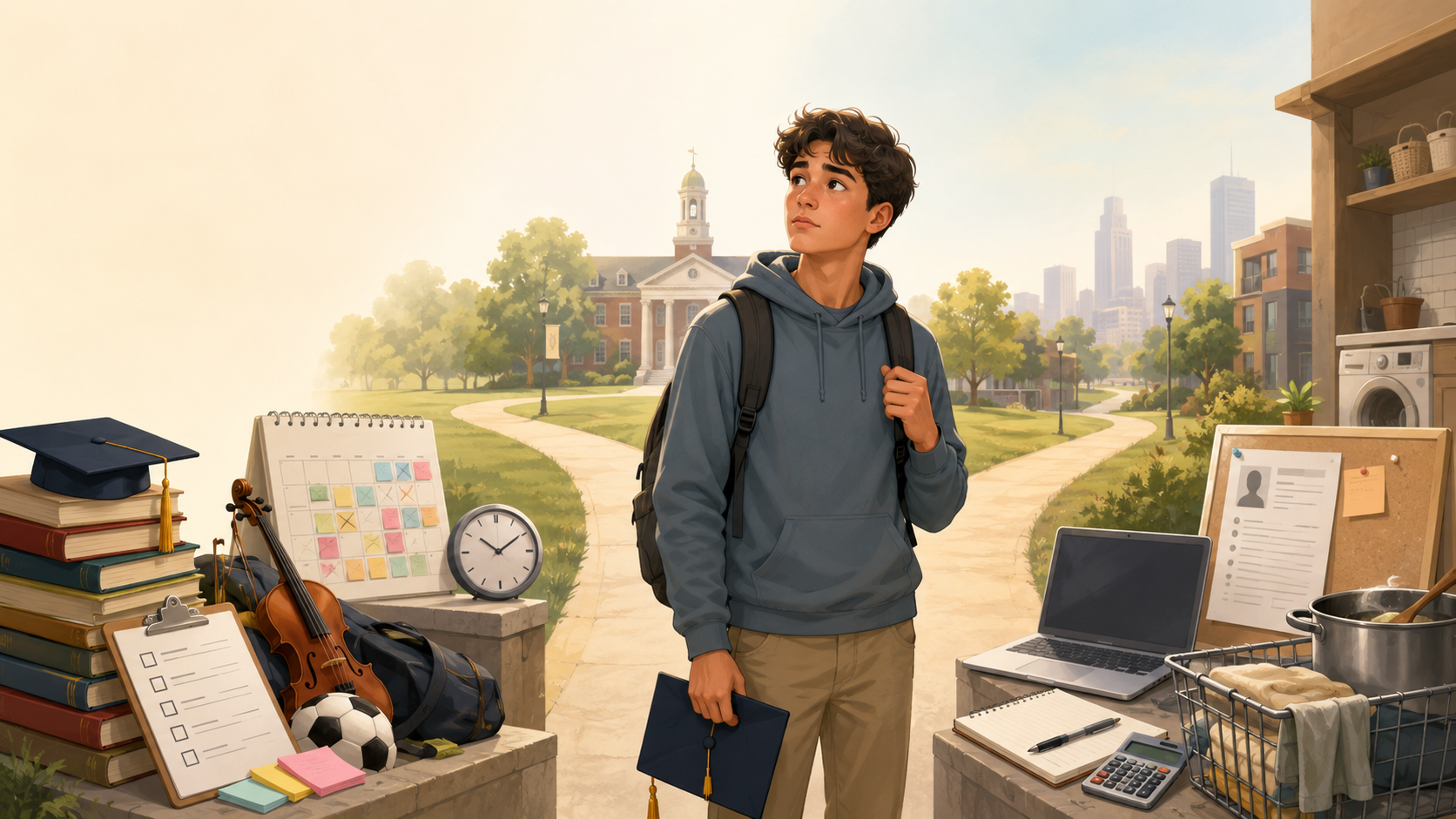
Every June, I meet high school graduates and their proud parents beaming with excitement about the next chapter—college! But as I get to know these students, a concerning pattern emerges: most are woefully unprepared for life on their own. Many don’t know how to manage their time, advocate for themselves, or even decide what they want to study. And the truth is—it’s not their fault.
Schools Aren’t Teaching Independence
In today’s educational landscape, we’ve become so focused on standardized tests, GPAs, and college admissions checklists that we’ve unintentionally stripped students of the tools they need to become independent thinkers and problem-solvers.
Teachers often provide detailed study guides that spell out exactly what students need to know for the test. While this may boost short-term grades, it discourages students from reading thoroughly, thinking critically, and asking deeper questions. Why bother learning more if it won’t be on the test?
When students are constantly told what to focus on and how to prepare, they lose the opportunity to explore topics based on curiosity and personal interest—both of which are essential for academic and career success.
Over-Scheduled and Under-Prepared
Most high school students I work with are juggling intense schedules packed with AP classes, sports, music lessons, volunteer hours, and leadership roles—all carefully curated for college applications. But here’s the problem: colleges are now looking for depth, not breadth. They want students with genuine interests and focused passions—not “jack-of-all-trades” candidates who are stretched thin and mastering none.
These overbooked teens often don’t have time to reflect on who they are or what excites them. They’re getting the grades, checking the boxes, and keeping up appearances—but they’re not developing the life skills they’ll need in college and beyond: time management, self-discipline, resilience, and decision-making.
Their daily routines are micromanaged by well-meaning adults. Wake up. Go to school. Go to practice. Eat. Study. Sleep. Repeat. As a result, many don’t know how to plan their day, prioritize their tasks, or ask for help when things go wrong. Once they leave the structure of home and school, they often feel overwhelmed and paralyzed.
Mismatched Majors and Uninformed Decisions
On top of this, many students feel pressure to choose “safe” majors—STEM fields, business, or law—even if they have little interest or understanding of those careers. I’ve seen countless students choose a major based solely on job security, only to switch majors multiple times or graduate feeling disconnected from their future.
Worse, they often haven’t had the chance to explore these fields through internships, job shadowing, or hands-on experiences. They head to college with no clear idea of what their chosen career entails—or whether they’ll enjoy it. Do we really want our kids to commit to careers they don’t like—for the rest of their lives?
The Fallout After College
You’d think they’d figure it all out by graduation—but many don’t. I frequently meet college grads who come to me for help applying for jobs because they don’t know how to present themselves, write a résumé, or articulate their strengths. They’ve done the coursework, but they haven’t been taught how to navigate the adult world.
On the flip side, employers report that they spend 6–15 months training new grads—not just in technical skills, but in basic professional behavior. Many graduates don’t know how to listen actively, see the big picture, or analyze situations to solve problems.
What Can Parents and Educators Do?
• Encourage unstructured time: Let your teen have downtime to think, explore, and pursue personal interests—not just scheduled activities.
• Support curiosity over grades: Ask them what they’re learning—not just what their grade was.
• Let them fail (safely): Mistakes build resilience. Don’t rush in to fix everything.
• Teach time management: Have them plan their own weekly schedule—balancing school, activities, and personal time. It’s transformative.
• Expose them to careers early: Encourage job shadowing, internships, and informational interviews well before college.
Our teens need more than AP classes and a polished résumé. They need life skills, self-awareness, and independence. If we start now, we can raise a generation of young adults who are not only college-ready, but truly life-ready.

The College Board adds Business and Cybersecurity
to help students thrive in the real world.
For decades, high school students have taken classes to prepare for college — algebra, biology, literature, U.S. history — but far too often, they graduate without knowing how to create a budget, avoid identity theft, or understand how a business works.
That’s finally changing.
The College Board just announced two new Advanced Placement (AP) courses that are relevant to students’ futures: AP Business Principles with Personal Finance and AP Cybersecurity. Both are designed to give students practical skills and to be prepared for life.
“Students need more than test prep — they need life prep.”
Financial Literacy: A Must for Every Teen
AP Business with Personal Finance will cover key topics like entrepreneurship, investment basics, economic systems, and — most importantly — how to manage money.
Right now, fewer than half of American high school students are required to take a financial literacy course before graduating. That means most teens enter adulthood without understanding how credit works, how to save for emergencies, or how to avoid falling into debt.
This AP course will give students the tools to take control of their financial lives early — before the mistakes begin piling up. They’ll learn about loans, taxes, savings, and how to navigate the real-world financial systems they’ll encounter the moment they turn 18.
Cybersecurity: Essential for Everyone
The second new course, AP Cybersecurity, covers how to protect sensitive information and recognize threats like phishing scams, malware, and identity theft. Whether students go into tech, business, healthcare, education, or the arts, they’ll all need to understand how to protect themselves from cyber threats.
This class will teach students how cybersecurity works and why it matters — not just at the personal level, but globally. In an era of increasing digital risk, cybersecurity has become a fundamental part of being an informed, responsible citizen.
It’s About Career AND College
While most AP courses are seen as stepping stones to college, these two also build career-readiness.
AP Business helps students develop leadership, collaboration, problem-solving, and communication skills — qualities every employer looks for. Cybersecurity fosters analytical thinking, precision, and digital fluency.
Together, these courses do more than boost a GPA. They provide practical, hands-on experience with real-world challenges and prepare students for fields that are growing fast and in need of skilled workers.
Equal Access to Critical Knowledge
What’s especially exciting is the potential for equity.
Financial literacy and cybersecurity aren’t taught at home for everyone — and yet they’re essential for everyone. These new AP courses ensure that all students, regardless of background or zip code, can build the knowledge and confidence to make smart decisions in their adult lives.
This kind of curriculum levels the playing field and opens doors to careers many students might never have considered.
What Schools Need to Do Next
It’s now up to schools to offer these courses and support students who enroll in them. That means training teachers, making space in student schedules, and encouraging all types of learners to give these classes a try — not just the “AP kids.”
Parents can help by asking their schools to offer these classes and helping their teens see the long-term value of understanding money and technology.
College prep is still important, but preparing students for life is even more so.
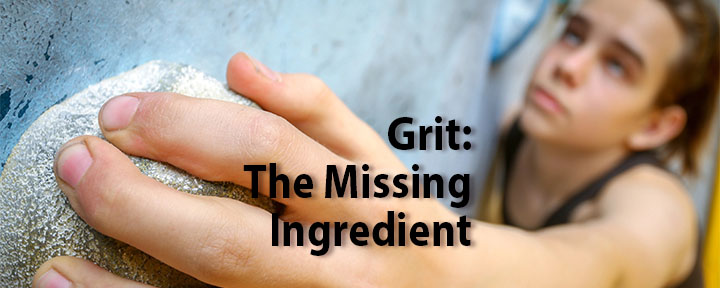
Every parent wants their child to be happy. We want to protect them from disappointment, shield them from failure, and make sure their self-esteem is never bruised. But in doing so, we may be doing them a long-term disservice. As well-meaning as helicopter parenting may seem, it’s often a barrier to the development of one of the most crucial life skills: grit.
Grit, as defined by psychologist Angela Duckworth, is the combination of passion and perseverance for long-term goals. It’s the drive that keeps your child practicing piano even when they’d rather be outside, trying out for the team again after being cut, or competing in the science fair when their competition is the parents of their peers. It’s what transforms a child into a confident, stable, and successful adult.
Children aren’t born with grit. It’s cultivated through life experiences that often consists of adversity. And that’s where many parents get lost. In trying to prevent our children from failure, we inadvertently rob them of the opportunity to learn how to bounce back, to adapt, and to push through. These are the very skills that they need to build confidence and resilience.
Consider a child who loses a soccer game. A helicopter parent might blame the referee’s call, question the coach’s training, or offer an immediate treat to soothe the sting of losing. A grit-building parent, on the other hand, might ask their child how they felt, discuss different strategies they could try next time, and plan to practice techniques that can make them better players. The first approach teaches that setbacks are caused by others and encourages the blame game. The second shows that setbacks are part of life and stimulates creative strategies to improve.
Today, children are often overscheduled, overstimulated, and overprotected. Many don’t have the time to simply work at something for the sake of getting better. They’re shuttled from activity to activity, with adults managing every detail of their lives. But when do children learn how to manage their time? Set priorities that are important to them? Stay up late to finish a project or wake up early to meet a deadline?
If our children don’t struggle, they won’t learn how to persevere and successfully reach their goals. And when they face inevitable challenges in high school, college, careers, or relationships, they may crash and feel like failures. We can’t fix their problems forever, but we can prepare them to find solutions and enjoy the feeling of overcoming obstacles with grit.
So, how can parents begin to foster grit?
1. Let them fail: Don’t rush to rescue them from every mistake. Whether it’s forgetting their homework or getting a poor grade, let them face the consequences. Offer support, and help them rethink their strategies.
2. Encourage long-term commitments: Whether it’s a sport, instrument, or project, help them stick with it even when it gets tough or boring. Grit is built through sustained effort over time.
3. Model perseverance: Share your own struggles and how you overcame them. Let them see that setbacks are normal and surmountable.
4. Focus on effort, not outcome: Praise the hard work, not just the win. When kids learn that effort matters more than perfection, they’re more likely to keep trying.
5. Teach time management: Instead of managing their schedules, guide them in using planners (G Cal), blocking off time to complete their tasks, and prioritizing their activities. These skills are essential for success and independence.
Ultimately, grit is what helps kids manage their world – the good, bad, and ugly. It’s not about being tough; it’s about being passionate and resilient. As parents, our job isn’t to pave the road, but to prepare our children for the journey—bumps, detours, and all.
Let’s stop fearing failure, instead, let’s embrace it as the teacher it is. Because in the end, the grit our children gain today will become the backbone of their success tomorrow.

As a lifelong educator and a stickler for grammar, I’ve always valued precise language. I believe clarity matters—especially when teaching, writing, or communicating across generations. So, I’ll admit that the use of they/them as a singular pronoun for non-binary individuals has left me a little… grammatically disoriented.
Let me be clear: I fully support people’s right to define who they are and to ask others to respect that identity. For young people—especially those exploring gender beyond the traditional binary—having the power to say “these are my pronouns” is empowering and important. I respect that. I support that. And I believe our schools, workplaces, and communities should too.
But here’s the dilemma: they and them have always been plural pronouns in standard English. When someone says, “They’ll be joining you at 3 p.m.,” my mind naturally imagines more than one person walking through the door. That’s what I was taught. That’s what I’ve taught others. And that’s what causes confusion—not out of disrespect, but out of habit and grammatical instinct.
In recent years, I’ve had to catch myself—more than once—after misunderstanding whether one person or a group was being referenced. And I’ve heard the same concern from other educators, parents, and colleagues. The confusion isn’t about rejection of identity; it’s about language systems catching up to social change.
My 40-year-old daughter recently cautioned me that voicing this opinion publicly could upset people who’ve fought hard for recognition and inclusion. I understand that. This article isn’t meant to dismiss or criticize anyone’s chosen pronouns. Rather, I hope it opens the door to a respectful conversation about how we use language to support identity and maintain clarity.
Because isn’t that what communication is about? Making sure that our message is both respectful and understood?
The truth is, English is constantly evolving. We’ve adapted before. You used to be strictly plural. Now we use it for individuals all the time. And the singular they actually has historical roots in the writings of Shakespeare and Jane Austen. Still, today’s usage of they/them as a personal pronoun is new for many people, and it comes with some practical challenges.
That’s why I wonder: might there be a future where we create—or adopt—a new gender-neutral singular pronoun? One that clearly refers to one person and avoids the grammatical confusion that “they” can cause?
Interestingly, some individuals already use gender-neutral pronouns like ze/hir/hirs. Pronounced zee, heer, and heers, these pronouns work similarly to he/him/his or she/her/hers. For example:
• “Ze is a teacher.”
• “I spoke to hir yesterday.”
• “That book is hirs.”
These alternative pronouns have not yet gained mainstream usage, but they offer a possible path forward—language that is both inclusive and less ambiguous in terms of number. Perhaps, with time and broader awareness, they could help bridge the gap between clarity and respect.
Of course, any shift like this takes time. Language doesn’t change overnight—especially when it’s tied to something as personal and sensitive as identity. And any new pronouns must be chosen, embraced, and led by the communities who use them.
In the meantime, I believe there’s a shared responsibility. For those of us who grew up in a more rigid grammatical world, it’s important to learn, adapt, and make space for gender diversity. Using someone’s correct pronouns is a small act of kindness that can give comfort. For those who use they/them, offering context or clarifying language when helpful (“My friend uses they/them pronouns and will join us later”) can reduce misunderstanding without compromising identity.
This isn’t an either/or issue—it’s a both/and. We can respect identity and advocate for clear communication. We can support the use of they/them now, and still have a thoughtful conversation about how inclusive language can evolve in ways that serve everyone.
Ultimately, language is a bridge. Let’s build it together—with compassion, with clarity, and with the humility to keep learning.

For the past five years, Central Fire has actively engaged with Firewise communities to educate homeowners about defensible space, evacuation routes, road clearances, and communication via MURS radios. They’ve visited homes, walked properties, investigated egress routes, recommended address, street, and fire truck signs, and identified problem areas in Zone 0 (0-5 feet), Zone 1 (5-30 feet), and Zone 2 (30-100 feet). As a Firewise leader, I’m grateful for their guidance, which has provided invaluable tips on protecting our homes from wildfires.
Now, Central Fire is stepping up its efforts. With the increasing devastation caused by wildfires across California, CalFire has mandated that fire departments enforce Zone 0 regulations. This means that Central Fire—and all fire departments across California—will no longer overlook combustible materials within five feet of homes. Instead, they will conduct unannounced inspections and issue citations for noncompliance. This is a significant step forward in ensuring fire safety for our communities.
California’s Wildfire Protection Laws: AB 3074 & SB 504
In response to escalating wildfire risks, California enacted AB 3074 (2020) and SB 504 (2024), requiring homeowners to take specific fire-hardening measures:
• AB 3074 (2020): Introduced the “ember-resistant zone”, requiring homeowners to maintain a five-foot buffer around their homes, free of flammable materials.
• SB 504 (2024): Strengthened enforcement mechanisms, empowering fire departments to issue fines for noncompliance.
By adhering to these laws, homeowners can significantly reduce the risk of wildfire damage and contribute to a fire-resilient community.
Creative Fireproofing Solutions for Zone 0
Retrofitting your home for wildfire resistance doesn’t have to mean sacrificing aesthetics. There are innovative ways to eliminate combustibles while maintaining visual appeal:
• Replace hedges with decorative tile or stone walls for an elegant and fire-safe boundary.
• Cover wooden planters with tile or stone to maintain a lush garden without fire risk.
• Use fire-resistant potted plants, such as succulents, arranged creatively to enhance curb appeal.
• Repurpose tile and marble samples from local stores to create non-combustible, artistic garden features.
Key Steps for Retrofitting Your Home’s Exterior
1. Ember-Resistant Zone (0-5 Feet from Home)
• Remove all combustible materials such as mulch, dried leaves, firewood, and wooden furniture.
• Replace flammable landscaping (juniper, pine, bamboo) with fire-resistant plants like succulents or rock gardens.
• Install non-combustible hardscaping (concrete, gravel, stone walkways).
• Use metal or Class A fire-rated roofing materials instead of wood shake shingles.
2. Fire-Resistant Siding and Walls
• Replace wooden or vinyl siding with non-combustible materials like fiber cement, stucco, or metal.
• Seal gaps and cracks in siding and foundations with fire-resistant caulking to prevent ember intrusion.
• Install fireproof skirting around raised foundations and decks to prevent embers from accumulating underneath.
3. Defensible Space (5-100 Feet from Home)
• Maintain defensible space by clearing dry vegetation and trimming overhanging tree branches at least 10 feet from roofs.
• Store firewood and propane tanks at least 30 feet from structures.
• Space trees at least 10 feet apart and keep grass mowed to less than 4 inches.
4. Fire-Resistant Windows and Doors
• Upgrade to tempered glass windows, which are more resistant to heat and flames.
• Install metal mesh screens (1/16-inch to 1/8-inch) on vents to prevent embers from entering attics and crawl spaces.
• Use non-combustible or fire-rated doors, such as those made from metal or solid-core wood.
5. Roofing and Gutter Protection
• Opt for a Class A fire-rated roof (asphalt shingles, metal, clay, or concrete tiles).
• Install metal drip edges to protect exposed roof sheathing.
• Use gutter guards or keep gutters clean to prevent dry debris from catching embers.
6. Fire-Resistant Decking and Fencing
• Replace wooden decks with fire-rated composite materials or metal.
• Use metal fencing near structures instead of wood, which can easily ignite.
7. Water Supply and Fire Tools
• Ensure easy access to a water source, such as an outdoor hose with a high-pressure nozzle.
• Keep fire-resistant tools (rake, shovel, and metal buckets) on hand for emergency use.
Final Thoughts
Fire safety is no longer optional—compliance with California’s wildfire protection laws is now being actively enforced. Taking steps to eliminate combustible materials within five feet of your home and implementing fire-resistant upgrades will help protect your property, ensure regulatory compliance, and strengthen community resilience.
By sharing before-and-after photos of creative, fire-safe retrofits, we can inspire and educate other homeowners. Together, we can make our neighborhoods safer from wildfires and create homes that are both beautiful and fire-resistant.
