

Now that our children are back in school after a year and a half of zoom classes, let’s make sure they have the tools and support they’ll need to be successful. Here are 5 tips that can help you guide them.
1. Organization with Merit Planner
All kids (and parents too!) need structure. When they start school, they should have their own paper planner where they can enter homework, quizzes/tests, and project assignments as well as sports, clubs, and social events. I use the Merit Planner because it has 7 days (not just school days) that are divided into 30-minute segments starting at 6:00 am and ending at midnight. By entering in classes for the semester, they’ll have the structure to enter in homework, test, and project dates for each class.
2. Homework and Study Skills
While in class, your children can enter homework assignments right in their planners under the class name on its due date. At home, they can schedule time in their planners to do each task needed to complete their homework. They might block off 45 minutes for math, 30 minutes for research, and 60 minutes to read. By allotting chunks of time to complete the work, they’ll know exactly how to gauge each night’s workload.
While most students prefer to study for exams the night before, research shows that they’ll learn the concepts better and retain this knowledge for longer periods if they spread out their studying over 4 days. To study for a vocabulary test on a Friday, for instance, they could research the definitions by making flashcards on Monday. Then on Tuesday, they study the words and self test; on Wednesday, they write sentences using each word; and on Thursday, they test themselves again. This will ensure that they ace their tests.
3. All Flashcards
When students review all of the flashcards that they have written for a course — once a week for the entire school year — they don’t need to relearn the concepts for final exams at the end of the term because they wouldn’t have forgotten them. Have your child review all flashcards or notes on Sundays, and ask them to put these tasks in their planner for the entire school year.
4. Fun Stuff
Set up play dates for young ones and host parties for teens. I used to cook up my girls’ favorite foods and allowed them to invite a dozen friends for sleepovers. They always had a blast and I loved being the fly on the wall so I was always in the know about what was going on in their lives. Have your children block off time in their planners for sports, social time with friends, and family outings. That way, you’ll be sure they have a happy balance of academics and fun.
5. Family Meetings
Have regular weekly family meetings to keep open communication and to discuss goals. I used to set these meetings for Sunday mornings and serve their favorite Sunday brunches. Sitting around the dining room table with our planners, we discussed each of our plans for the following week. This helped us streamline transportation schedules, family outings, meal prep, and chores. I found that by giving everyone plenty of notice for family vacations, holiday party dates, and medical appointments, there was less resistance from the kids because it was written in their planners by themselves.
Start the new school year with a system that keeps them organized and promotes strong study skills. This will build their academic skills as well as personal confidence.

Now that our children are back in school after a year and a half of zoom classes, let’s make sure they have the tools and support they’ll need to be successful. Here are 5 tips that can help you guide them.
1. Organization with Merit Planner
All kids (and parents too!) need structure. When they start school, they should have their own paper planner where they can enter homework, quizzes/tests, and project assignments as well as sports, clubs, and social events. I use the Merit Planner because it has 7 days (not just school days) that are divided into 30-minute segments starting at 6:00 am and ending at midnight. By entering in classes for the semester, they’ll have the structure to enter in homework, test, and project dates for each class.
2. Homework and Study Skills
While in class, your children can enter homework assignments right in their planners under the class name on its due date. At home, they can schedule time in their planners to do each task needed to complete their homework. They might block off 45 minutes for math, 30 minutes for research, and 60 minutes to read. By allotting chunks of time to complete the work, they’ll know exactly how to gauge each night’s workload.
While most students prefer to study for exams the night before, research shows that they’ll learn the concepts better and retain this knowledge for longer periods if they spread out their studying over 4 days. To study for a vocabulary test on a Friday, for instance, they could research the definitions by making flashcards on Monday. Then on Tuesday, they study the words and self test; on Wednesday, they write sentences using each word; and on Thursday, they test themselves again. This will ensure that they ace their tests.
3. All Flashcards
When students review all of the flashcards that they have written for a course — once a week for the entire school year — they don’t need to relearn the concepts for final exams at the end of the term because they wouldn’t have forgotten them. Have your child review all flashcards or notes on Sundays, and ask them to put these tasks in their planner for the entire school year.
4. Fun Stuff
Set up play dates for young ones and host parties for teens. I used to cook up my girls’ favorite foods and allowed them to invite a dozen friends for sleepovers. They always had a blast and I loved being the fly on the wall so I was always in the know about what was going on in their lives. Have your children block off time in their planners for sports, social time with friends, and family outings. That way, you’ll be sure they have a happy balance of academics and fun.
5. Family Meetings
Have regular weekly family meetings to keep open communication and to discuss goals. I used to set these meetings for Sunday mornings and serve their favorite Sunday brunches. Sitting around the dining room table with our planners, we discussed each of our plans for the following week. This helped us streamline transportation schedules, family outings, meal prep, and chores. I found that by giving everyone plenty of notice for family vacations, holiday party dates, and medical appointments, there was less resistance from the kids because it was written in their planners by themselves.
Start the new school year with a system that keeps them organized and promotes strong study skills. This will build their academic skills as well as personal confidence.
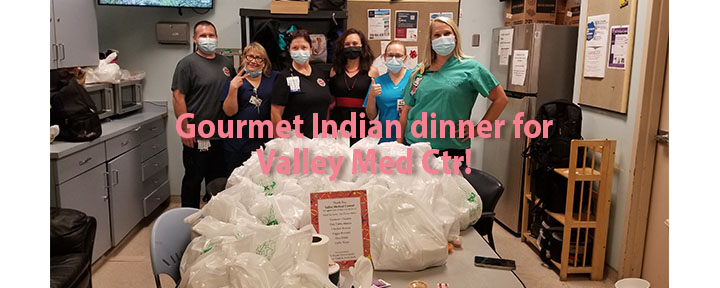
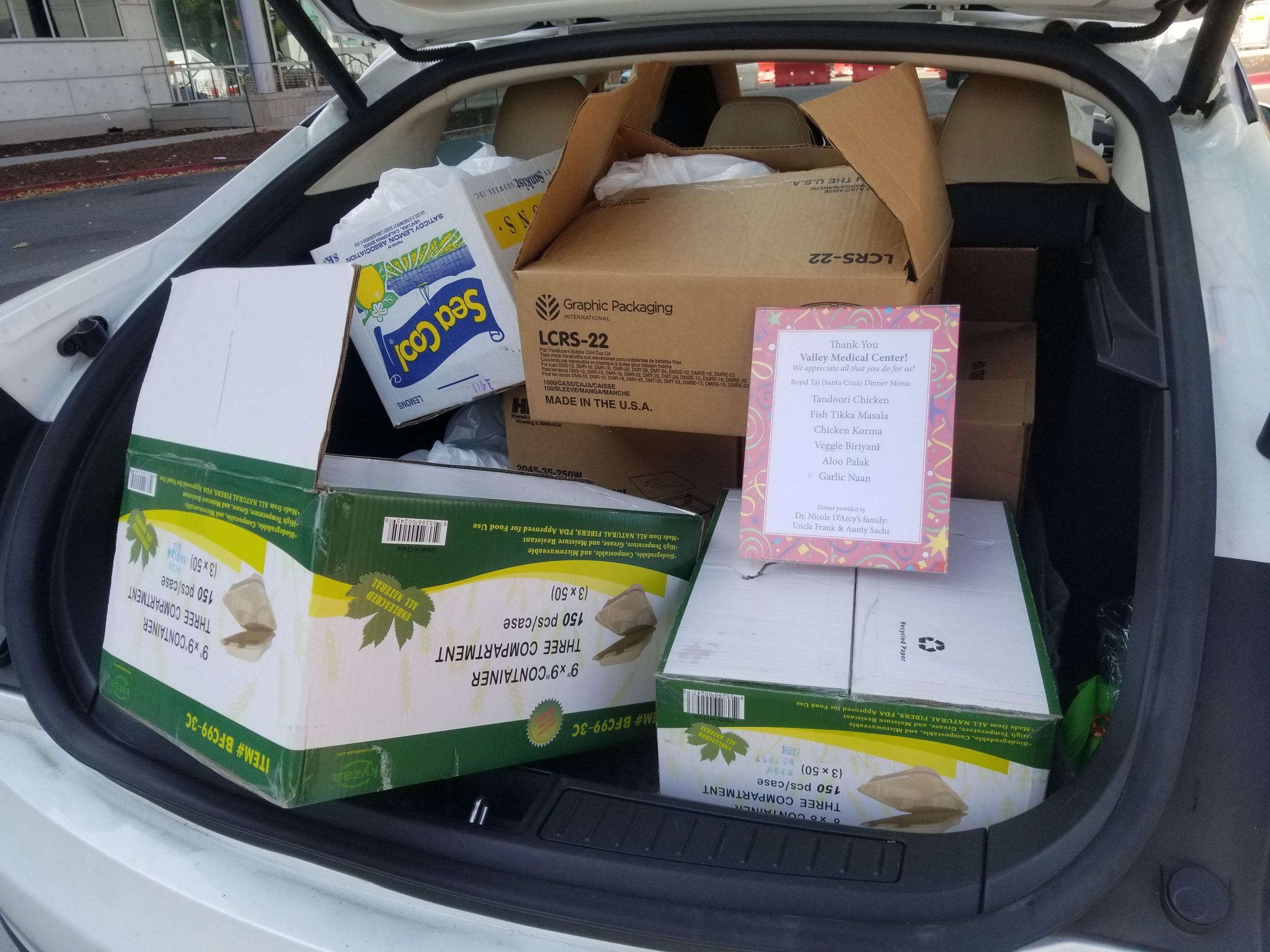
Just delivered gourmet Indian food to the ER staff at Valley Medical Center (where Nicole works as an ER doc) for my Aunty Sachi and Uncle Frank. They’ve been serving all of us during the pandemic, and now that they’re dealing with the more contagious variant, I thought they could use a little treat: Tandoori chicken, fish tikka masala, chicken korma, veggie biriyani, aloo palak, and of course, garlic naan. All my favorites! Thank you to all ER staff everywhere! And, thanks to my Aunty Sachi and Uncle Frank who finance these endeavors.



Parents who feel blindsided by the ridiculous costs of baccalaureate degrees from 4-year universities are seeking alternative paths for their children. 24 states now allow community colleges to offer bachelor’s degrees.
Low-income students, older students with children, or those who are the first in their families to attend college benefit from community colleges that offer bachelor’s degrees. These students are more likely to complete a baccalaureate program if they don’t have to apply to competitive 4-year colleges after they complete their first 2 years.
But public universities worry that they’ll lose applicants if they have to compete with community colleges. The cost of getting a baccalaureate degree at a community college is about 25-50% less expensive than getting the same degree at a university.
In California, there are 15 community colleges that offer just one baccalaureate degree. San Diego Mesa College, for instance, offers a health information management bachelor’s degree, which is neither offered at the Cal State University system nor the University of California system. The program is a huge success with graduates placed in jobs within 3 months.
We need more alternative paths for students to attain that coveted bachelor’s degree. Not every student has the ability to apply to and transfer to 4-year colleges, commit to attending college without working, pay $80,000-$300,000 in tuition and room/board, and leave their family members who might need their support. Let’s open more doors to all students so they can make career choices that work for themselves.

When my girls were young, they raised pet rats to learn about animal behavior at Merit Academy. They discovered that when they placed just 2 rats in a huge maze, the rats coexisted happily. But when they placed dozens of rats in the same maze, the rats became territorial, anxious, and vicious.
Fast forward to 2021 when our planet is almost 1.5 degrees warmer than it was pre-Industrial Revolution; we are facing severe droughts, wildfires, and hurricanes. A hundred years ago, we never worried about our water supply. Today, massive droughts in California have pushed people to do unthinkable things to get water.
Like rats, when people don’t have enough water, we will do anything necessary to get it. Thieves are stealing billions of gallons of water by tapping into fire hydrants, rivers, and even family homes and farms. Our droughts are causing reservoirs to dry up, which is causing record-levels of thefts.
As many municipalities restrict water usage, we’re seeing an uptick in illegal water thefts. The California Dept of Fish and Wildlife has made more than 900 felony arrests of illegal cannabis growers. These growers have run over 400 miles of pipes diverting water from streams to their manmade dams.
In Southern California, the water system crashed last year after thieves tapped fire hydrants and water mains. To protect our water sources, officials are removing or locking fire hydrants and securing key water sources.
As we begin to face real repercussions of a hotter planet, people will behave in desperate ways to get the resources they need. This is just the beginning of what we can expect to happen when we can’t get enough water, food, or even oxygen to survive. We need to make reducing CO2 in the atmosphere our number one goal.

Just harvested my cherries, apricots, peaches, and plums. Seems the extra attention I gave my fruit orchard this year paved the way for bumper crops – another benefit of sheltering in place! I experimented with drying the apricots and peaches using a dehydrator. Nicole loves the slab apricots (I didn’t know that was a thing…) Using my new vacuum sealer, I preserved batches of fresh fruit that I’ll enjoy during the winter. There’s such a sense of accomplishment after harvesting organic fruit.

Bumper crop of cherries
 Cherries from 2 different trees
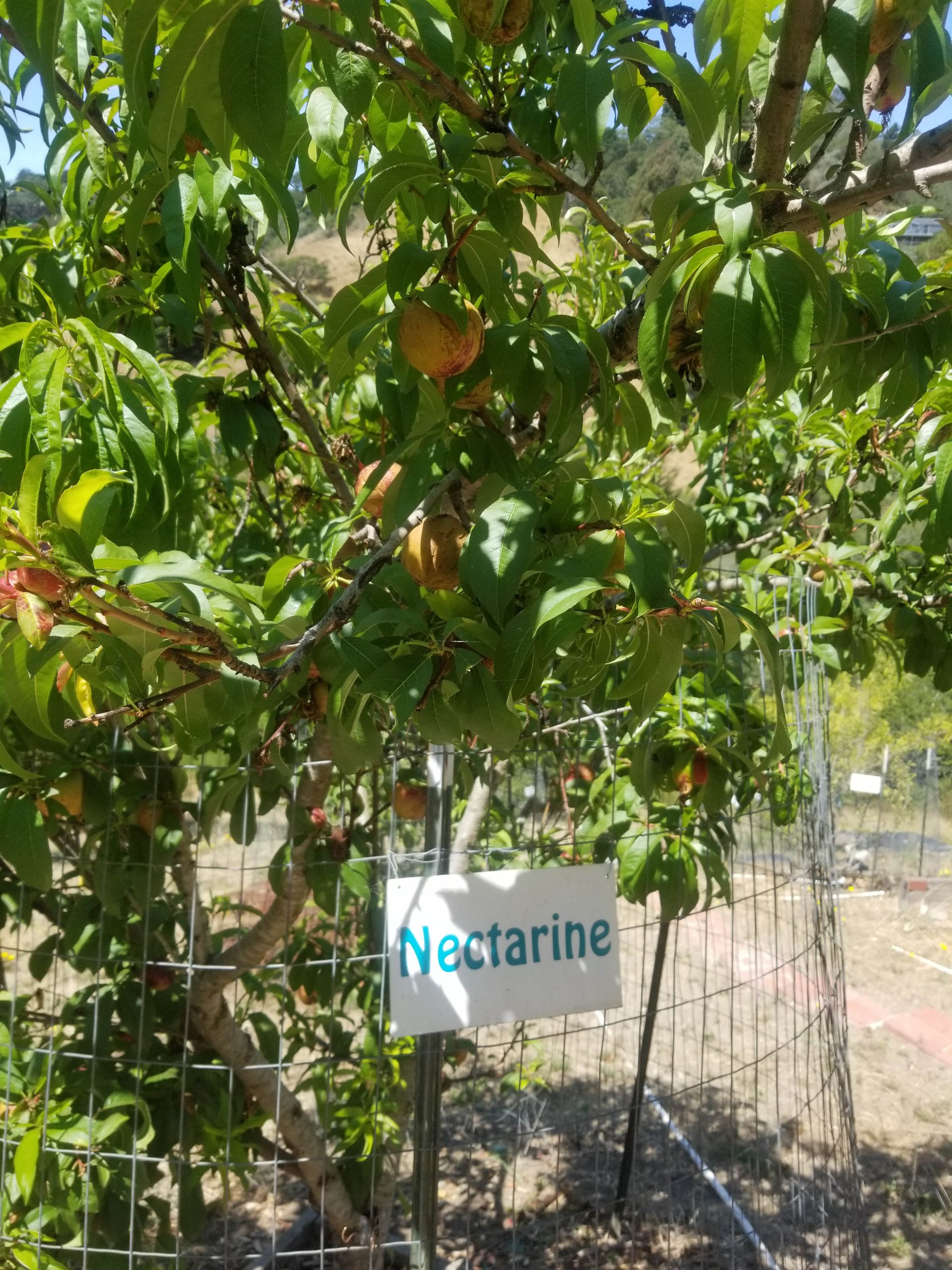
First harvest of nectarines this season

Ripening peaches, apricots, and plums on window sills —
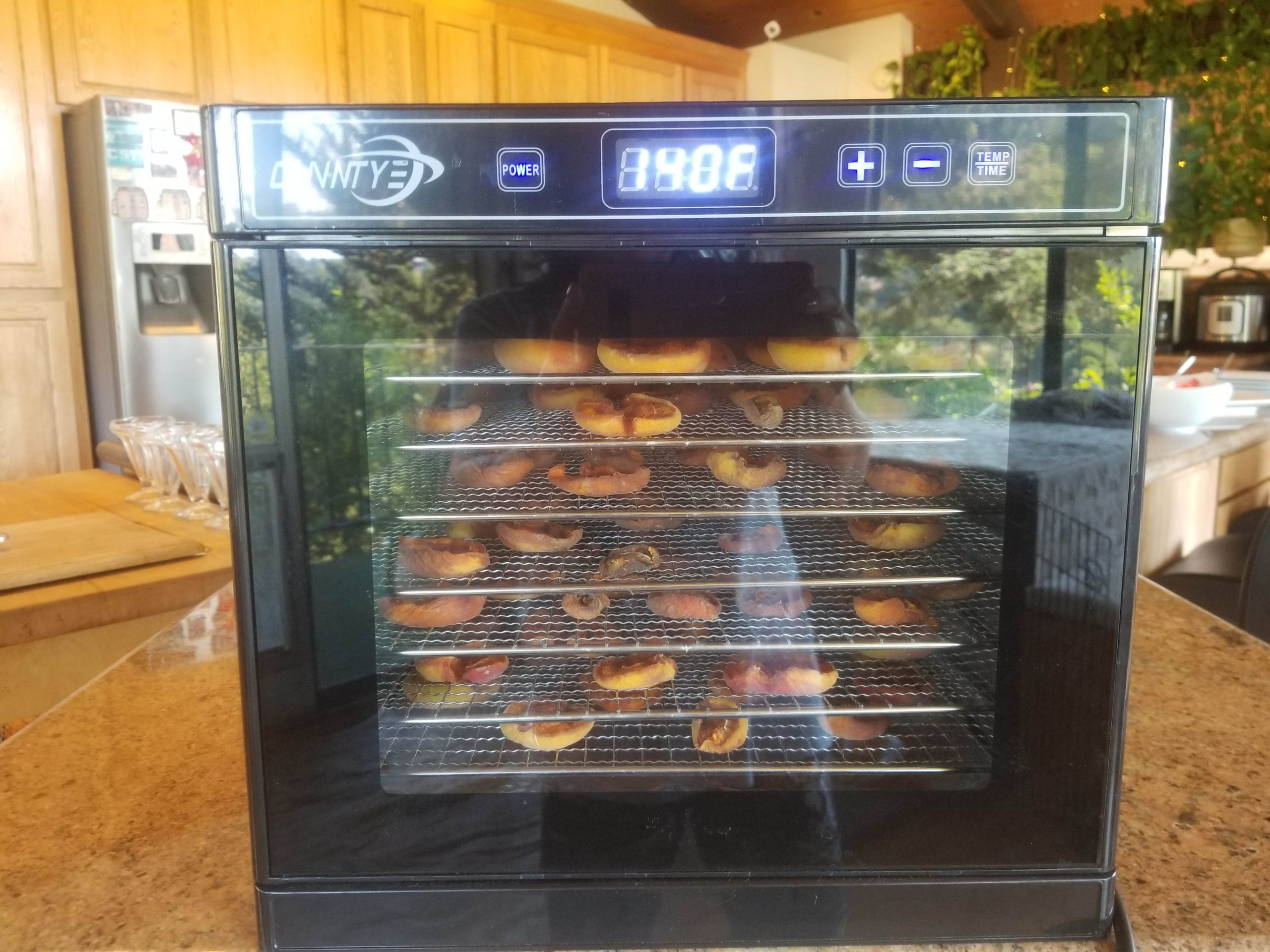
Drying fruit in my nifty dehydrator

Dried apricots, peaches and bananas

As usual, the University of California is stirring up controversy in its policies for admissions and tuition hikes. Last year, the UCs broke their own record when they received over 200,000 freshmen applications. That was the first year they did not consider SAT or ACT scores in admissions decisions, which made it possible for students who didn’t have the resources to boost their standardized test scores by paying for prep programs to be considered for admission based on their GPAs and essays.
This year, 43% of admitted students come from underrepresented racial and ethnic groups. This was the most diverse undergraduate group in UC history.
37% Chicano/Latino (31,220 students)
34% Asian American (28,402 students)
20% White (17,024 students)
5% African Americans (4,608 students)
.045% American Indian (380 students)
Across all of the 9 UC campuses, 45% of admitted freshmen were the first in their family to attend college, and not surprisingly, 45% of all admitted California freshmen come from low-income families.
Just last week, UC Board of Regents announced that they will be raising tuition for incoming students beginning in fall 2022. This has caused an uproar from UC students. The UCs plan to raise the tuition up to 5% based on inflation plus other campus fees (approximately 2%) every year. They claim that they will face a $694 million shortfall by 2026-2027 without these increases.
Because over half of UC undergraduates receive 100% free tuition and fees, this tuition plan only affects students whose parents have higher income. The students whose parents are in the middle income range are the ones who ultimately get squeezed the most. These families claim that it will be impossible for them to attend because they don’t qualify for financial aid and they’ll be subject to a 7% increase in tuition.
The one positive thing about the new tuition policy is that once a student starts a UC as a freshman, their tuition will be locked in at that rate for 6 years. Curious to see if these policy changes will negatively or positively affect the quality of education at the University of California.

One-third of college-bound students are staying closer to home and choosing more affordable options, according to 2 surveys (America’s Promise Alliance and Strada Education Network). One-quarter of them plan to go to 2-year community colleges instead of 4-year institutions. Others completely dropped college plans or some opted to take gap years.
This is not surprising considering the roller coaster of emotions students have faced during the pandemic. The government, school administrators, and the CDC controlled virtually every aspect of their academic and social lives for over a year. With the Delta variant looming as the new school year approaches, many students want to be near family and what is familiar to them.
I remember touring the Ivy League colleges with my daughter Nicole just 10 days before 9-11. She was enamored by Brown, Yale, and Harvard. We explored campuses, checked out dorms, and bought the sweatshirts. But after the World Trade Center fell, she decided that she wanted to stay on the West Coast, and was thrilled that she got into Stanford – which is just a 50-minute drive home.
Not sure if or when colleges will bounce back. Students should consider where they would like to work and live post college. They’ll be conducting research, interning with local firms, and networking in the regions that they’ll be living in over the next 4 years. If they want to return close to home after college, going across the country for college may be setting themselves up for some difficult decisions when they get job offers off campus in their college towns.
Economic security is also weighing heavily on parents and students as they carefully review financial aid and scholarship offers. The cost of a bachelor’s degree varies by hundreds of thousands of dollars in today’s market, and for many students, the return on their investment is not good. College tuition continuously increases; it has skyrocketed 1375% since 1978 when I was in college. Forty percent of undergraduate college students drop out before graduation, and third of college freshmen drop out before their sophomore year.
Students are making sobering decisions about staying close to home, choosing colleges that offer the best financial aid packages, and determining if college is really their best option.

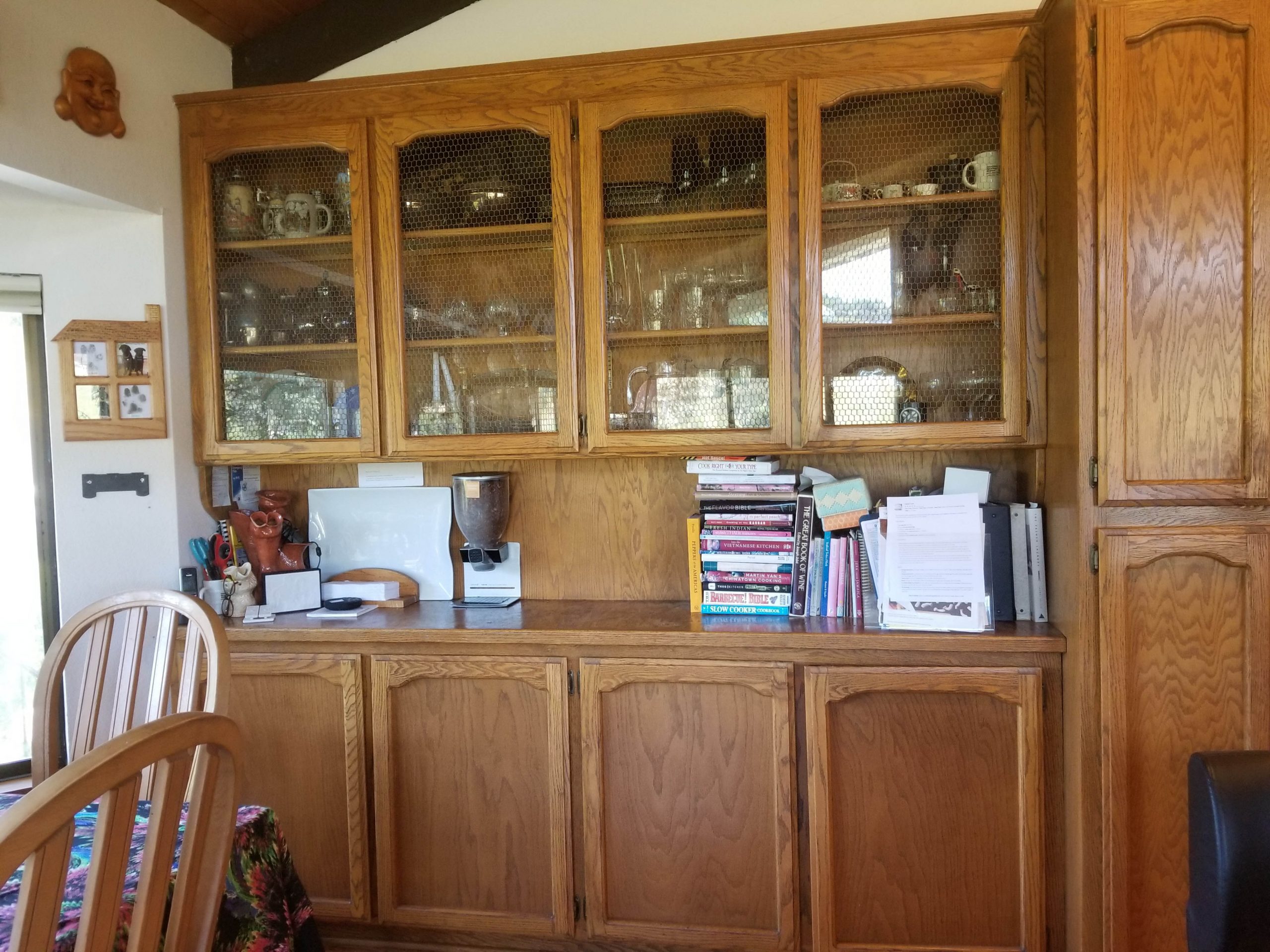
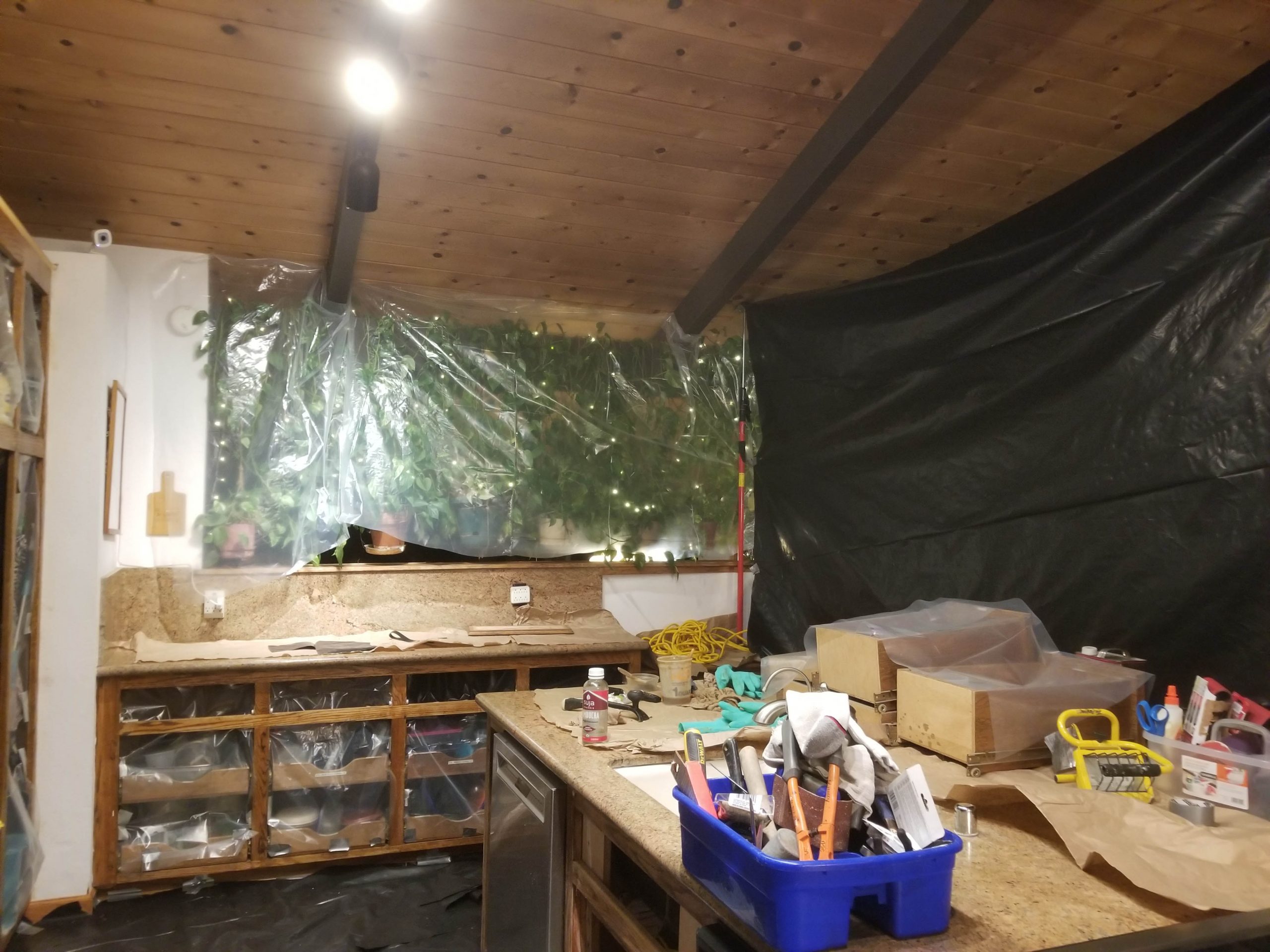
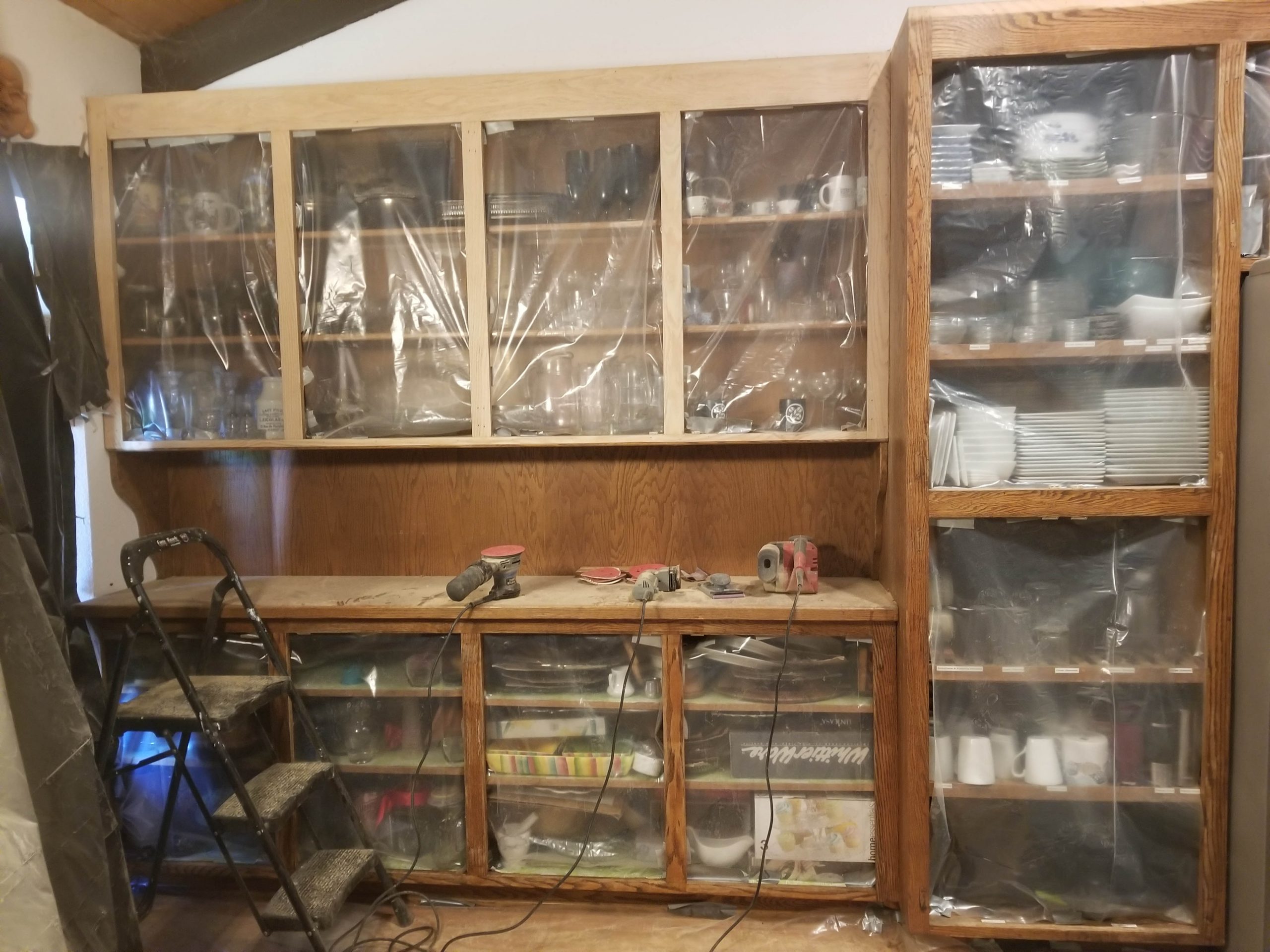
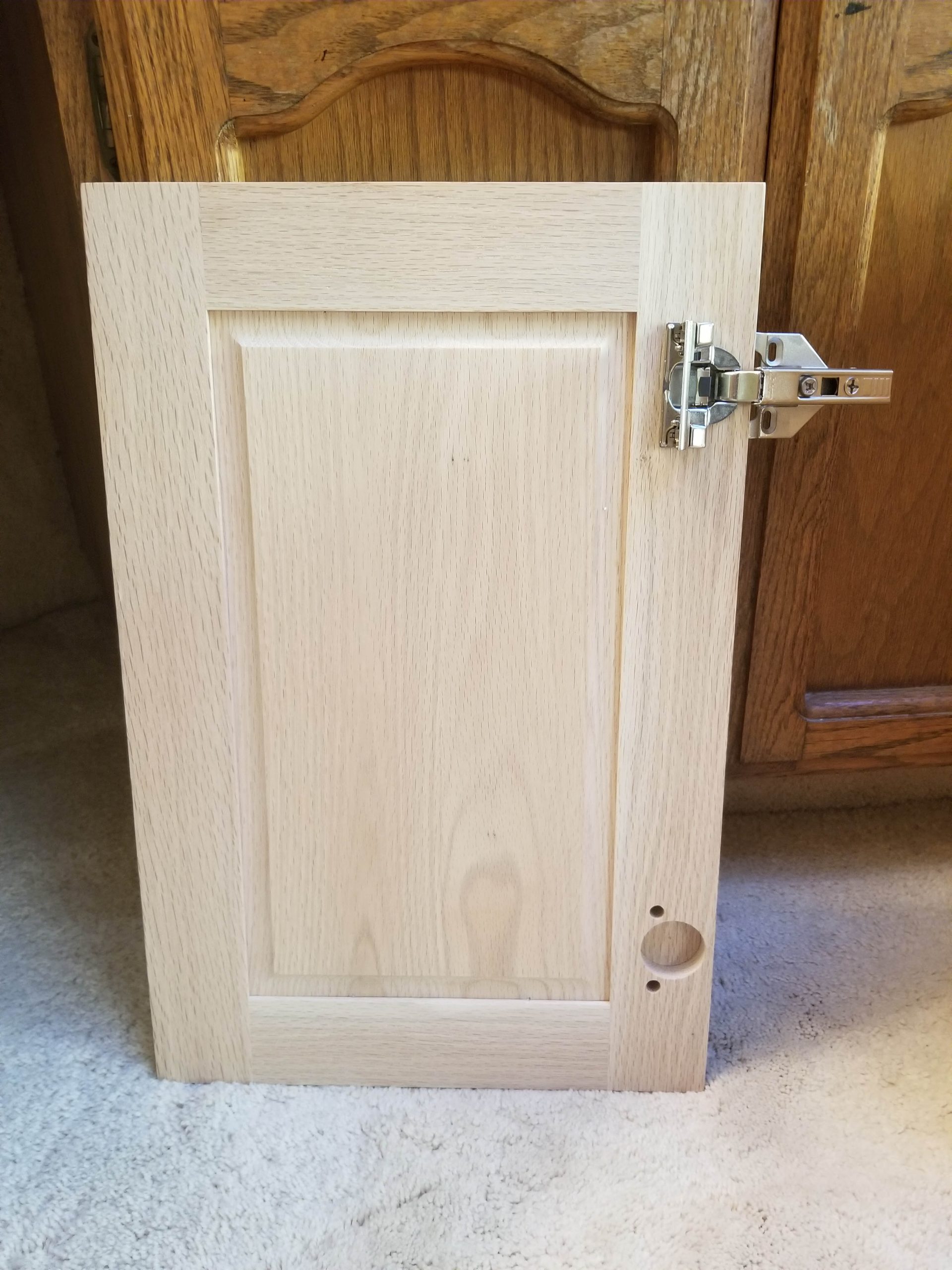
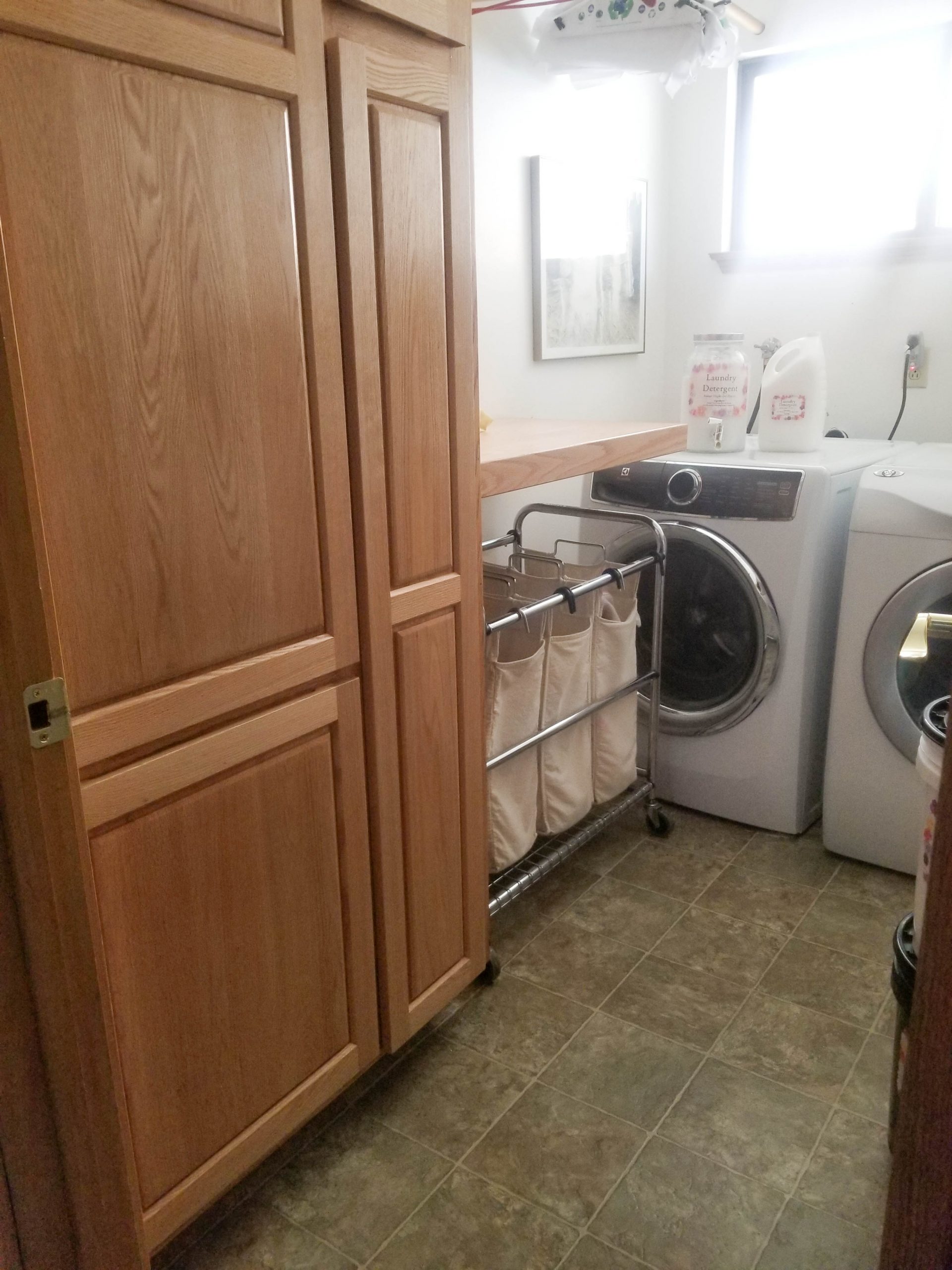
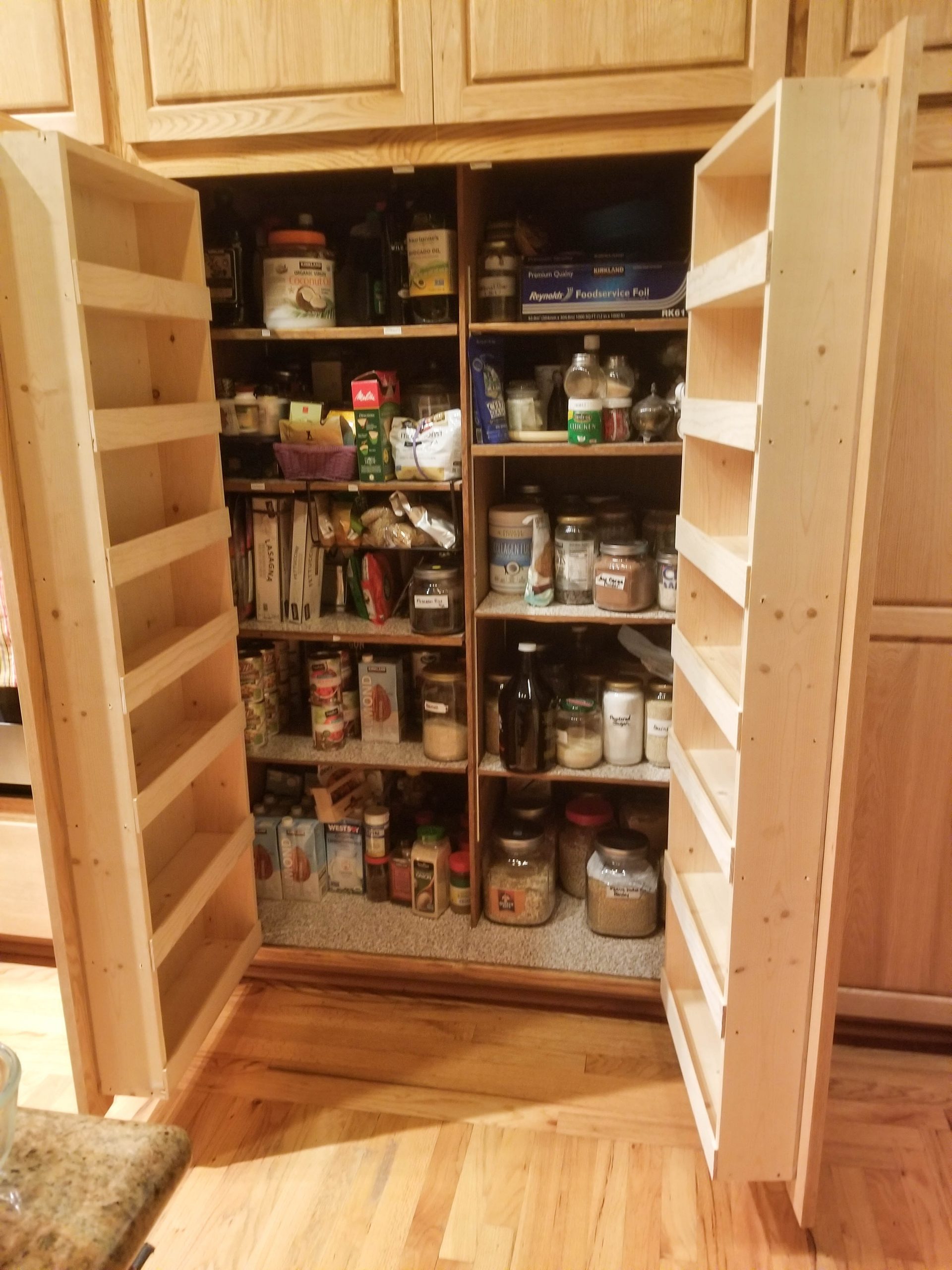
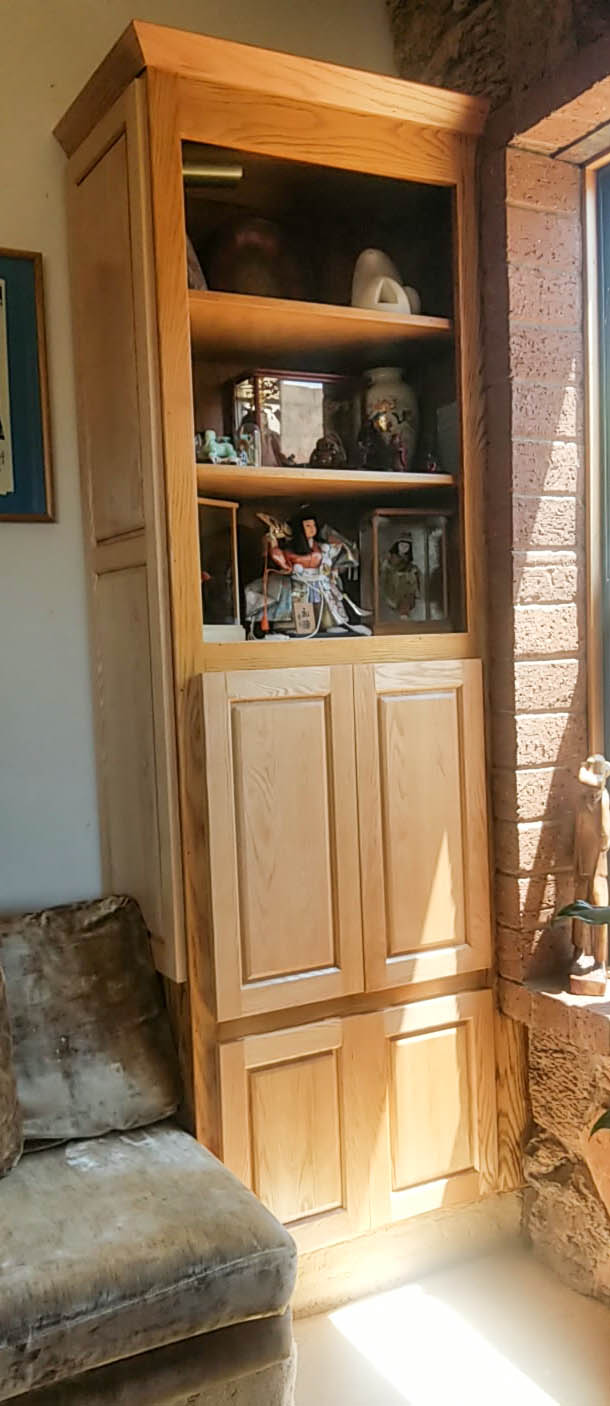
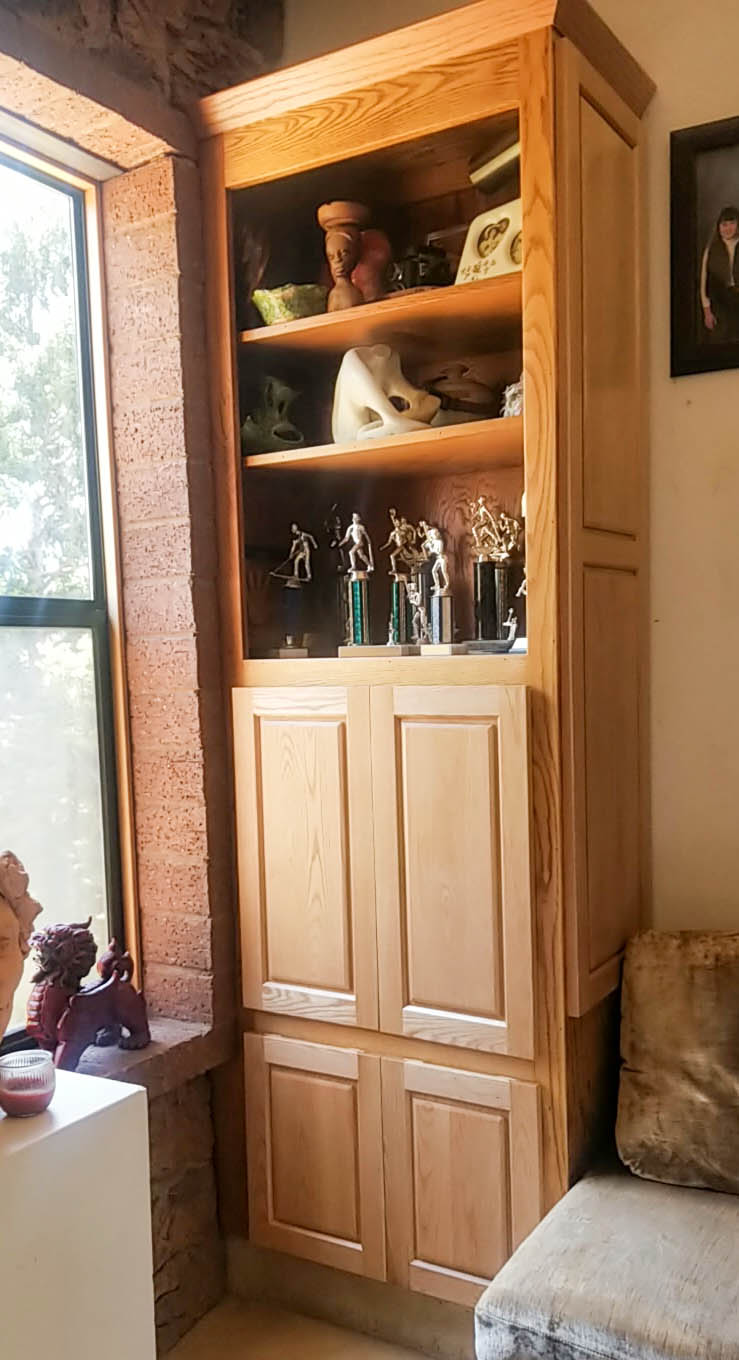
I just completed my whole house cabinet remodel. After getting ridiculously high bids and timetables of more than 6 months, I decided to refinish them myself and order 124 new solid oak doors and drawer fronts. I thought I could get it done in 2-3 weeks working every day after work but I was wrong. It took almost 3 months to finish.
Stripping and sanding the cabinets was messy. Even with plastic tarps, dust infiltrated every room and nook and cranny in the house. Applying 3 coats of varathane on both sides of the doors and drawer fronts was exhausting. The dance studio became the new cabinet workshop where I spent weeks sanding and varathaning while listening to oldies.
I installed Blum soft-close hinges and learned to adjust them to create the perfect fit. Wow. These European hinges make cabinet installation a breeze for regular doors. But thinking that the hinges would work on all of my doors was a mistake. I ran into problems with odd shaped cabinets, toothbrush drawers, and narrow spice shelves.
My friends helped me with difficult stages. Mario let me borrow his special sanders, plastic room poles, and cool saws. He also built the cabinet table tops. Spencer helped strip the cabinet bases and sanded the moldings. He figured out how to adjust the hinges and even wrote instructions for me. Couldn’t have done this without them.
I love the way the new cabinets lighten each room. Don’t think I’ll ever refinish cabinets again, but it was well worth all the effort.





Finally, we’re facing the fact that students fell behind with all of the disruptions caused by the pandemic last year. In California, K-12 students have several ways to make up for the lost learning.
#1: Repeat the Grade
For students who didn’t pass at least half of their classes.
#2: Replace Bad Grades with Pass/Fail
For high school students only. California State Universities will accept these Pass/Fail grades. The University of California and private schools are encouraged to do the same.
#3: Take a 5th Year
For 11th and 12th grade students who need more time to complete their high school graduation requirements.
Not surprisingly, the majority of the students who fell behind during the transition to online learning were low-income and minority groups. Students with the financial means had the opportunity to hire tutors to supplement gaps in learning.
Now that schools are planning to reopen on campus this fall, students will enjoy face-to-face instruction and socializing with peers. Hoping that 2021-2022 is a great year for all students and teachers.

We’re heading into a dangerous fire season due to a dry winter and excessive heat. The fire department doesn’t have the manpower to save every home – especially in areas where homes are on several acres, like where I live – and inmate and volunteer crews are smaller due to COVID-shut downs last year. That’s why I’m excited to tell you about F.A.C.E. (Fire Activated Canister Extinguisher).
One of my students, Arul Mathur, designed and engineered this device to put out fires with water and fire retardant when activated by fire. So if a fire approaches your home, F.A.C.E. will douse it out, even when you’re not home. It’s ideal for people who have to evacuate. They can leave their homes knowing that the canister will spray a 10-15 foot area.
Check out his website.
He just launched a kickstarter campaign on July 1st, where you can order canisters at a discount and have them by September. He reached his kickstarter goal in just over 12 hours! He plans to use his profits to donate F.A.C.E. to create fire breaks throughout California. Proud of Arul.
I love it when kids solve problems we face. Arul lives up in the East Bay Area and almost lost his home during the Paradise fires. After surviving years of fire threats, he designed this device to protect his family and his home. Arul also gave a TEDx talk at TEDxMeritAcademy in 2019.